UN Chief Applauds Iran's Strategic Maritime Gesture Amid Ceasefire
In a significant diplomatic development, United Nations Secretary-General António Guterres has formally welcomed Iran's proactive move to open the strategically vital Strait of Hormuz for commercial shipping traffic during an ongoing temporary ceasefire. This decision, announced by Iranian authorities, marks a pivotal step toward de-escalating regional tensions and ensuring the uninterrupted flow of global maritime trade through one of the world's most critical chokepoints.
Easing Global Shipping Concerns
The Strait of Hormuz, a narrow waterway connecting the Persian Gulf with the Gulf of Oman and the Arabian Sea, is renowned as a linchpin for international oil and gas shipments, with approximately one-fifth of the world's petroleum passing through its waters annually. Iran's gesture to permit safe passage for commercial vessels comes at a crucial juncture, coinciding with a ceasefire agreement that has temporarily halted hostilities in the region. This move is widely perceived as a confidence-building measure aimed at fostering stability and preventing potential disruptions to global energy supplies.
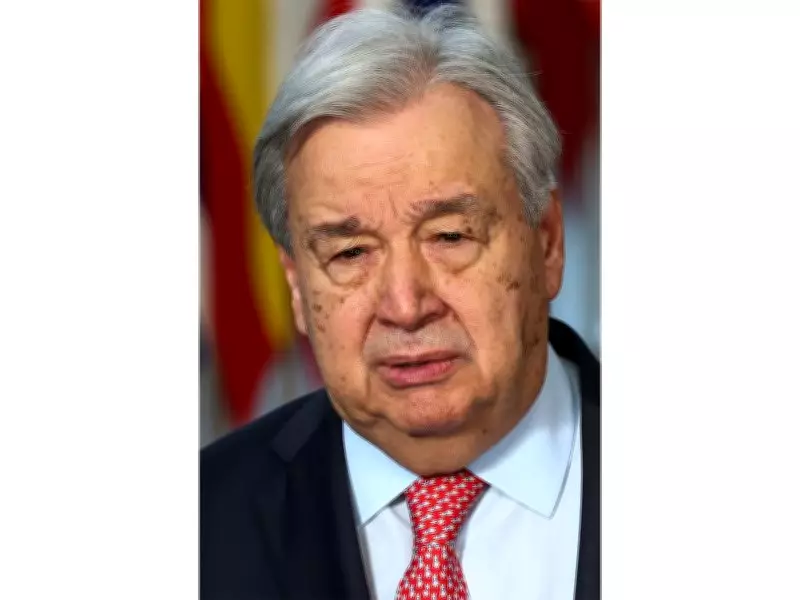
Secretary-General Guterres emphasized the importance of such actions in his statement, highlighting how they contribute to regional peace and economic security. "The opening of the Strait of Hormuz for commercial use during this ceasefire period is a positive step that underscores the value of dialogue and cooperation in mitigating conflicts," he remarked. His endorsement reflects the United Nations' ongoing efforts to monitor and support peaceful resolutions in volatile areas, particularly where international waterways are concerned.

Implications for International Trade and Diplomacy
This development carries profound implications for global trade dynamics and diplomatic relations. By facilitating maritime access, Iran not only alleviates immediate concerns for shipping companies and energy markets but also signals a willingness to engage constructively with the international community. Analysts note that such measures could pave the way for broader negotiations and enhanced trust among neighboring states and global powers.
- Enhanced Maritime Security: The temporary opening reduces risks of accidental confrontations or blockades, promoting safer navigation for vessels from various nations.
- Economic Stability: With smoother transit routes, oil prices and supply chains are less likely to experience volatility, benefiting economies worldwide.
- Diplomatic Momentum: This action may encourage further ceasefire extensions or peace talks, leveraging the Strait's strategic importance as a catalyst for dialogue.
While the ceasefire remains in effect, the international community, including key stakeholders like the United States and Gulf Cooperation Council countries, is closely monitoring the situation. The United Nations has reiterated its call for all parties to uphold maritime freedoms and avoid actions that could jeopardize regional stability. As this story unfolds, the focus will remain on whether Iran's move leads to lasting peace or serves as a temporary reprieve in a complex geopolitical landscape.