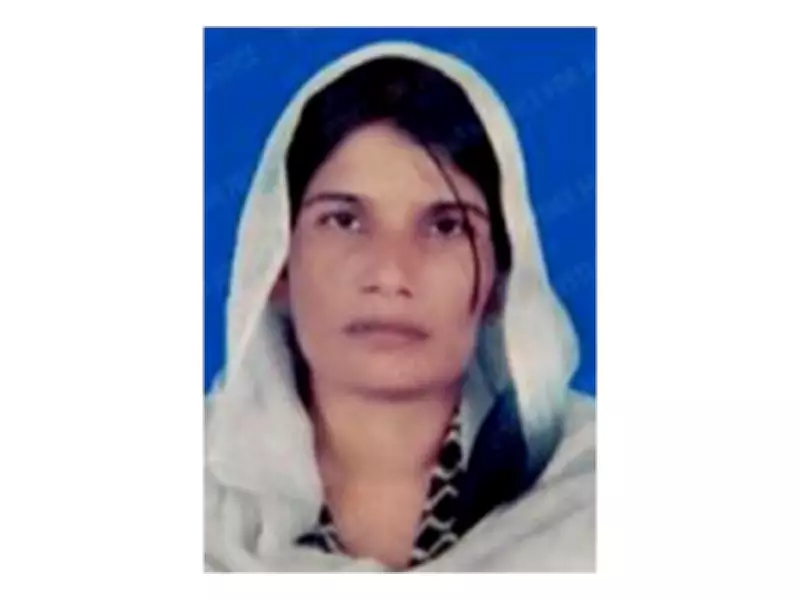
Shagufta Kaur's Blasphemy Case Brought to UN Human Rights Council in Geneva
The plight of Shagufta Kaur, a Pakistani Christian woman who has been sentenced to death under Pakistan's controversial blasphemy laws, was formally raised at the United Nations Human Rights Council in Geneva. This significant development underscores the growing international scrutiny and concern over Pakistan's application of blasphemy statutes, which have long been criticized for targeting religious minorities and fostering a climate of fear and persecution.
Details of the Case and International Advocacy
Shagufta Kaur, along with her husband Shafqat Emmanuel, was convicted and sentenced to death in 2014 for allegedly sending blasphemous text messages. Both individuals have consistently maintained their innocence, asserting that the charges are fabricated and stem from personal vendettas. Their case has drawn widespread condemnation from human rights organizations globally, which argue that the blasphemy laws in Pakistan are often misused to settle personal scores and persecute vulnerable communities, particularly Christians and other religious minorities.
At the UN Human Rights Council session in Geneva, advocates and diplomats highlighted the severe injustices faced by Shagufta Kaur and others similarly accused. The discussion emphasized the urgent need for Pakistan to reform its blasphemy laws to align with international human rights standards, ensuring fair trials and protecting freedom of religion. The raising of this case at such a prominent international forum marks a pivotal moment in the ongoing struggle for justice and human rights in Pakistan.

Broader Implications for Human Rights in Pakistan
The international attention on Shagufta Kaur's situation brings to light the broader human rights challenges in Pakistan, where blasphemy accusations can lead to mob violence, extrajudicial killings, and prolonged legal battles. Human rights groups report that these laws have created an environment of intolerance and violence, with minorities living under constant threat. The case serves as a stark reminder of the dangers posed by such legislation and the critical role of global institutions in advocating for change.
In response to the UN discussions, there have been calls for Pakistan to take immediate steps to safeguard the rights of all its citizens, regardless of their religious beliefs. This includes ensuring that blasphemy cases are investigated transparently and that those accused receive a fair trial without prejudice. The international community continues to monitor the situation closely, urging Pakistan to uphold its human rights obligations and protect its minority populations from discrimination and violence.