Iran's UN Envoy Clarifies Position on Strait of Hormuz Security
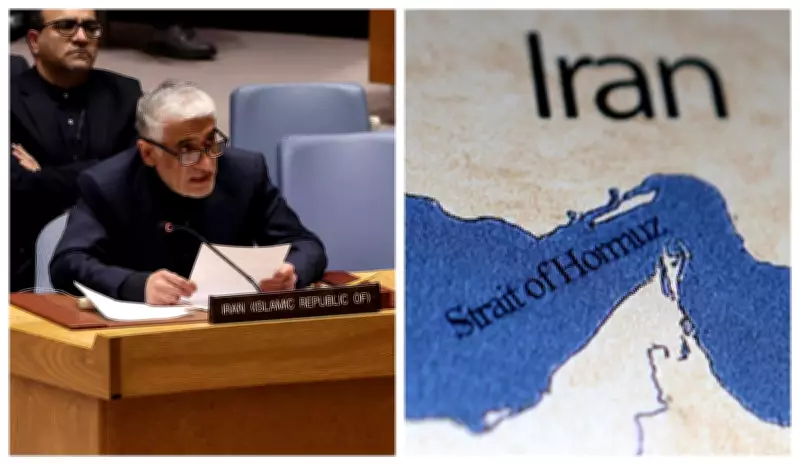
In a recent statement, Iran's ambassador to the United Nations emphasized that Tehran has no plans to close the Strait of Hormuz, a critical maritime chokepoint for global oil shipments. However, the envoy asserted that it is Iran's sovereign right to take necessary measures to preserve the security and stability of this key waterway. This declaration comes amid escalating tensions in the region, with the envoy directly attributing the current volatile situation to what he described as destabilizing actions by the United States.
Background on the Strait of Hormuz
The Strait of Hormuz is a narrow passage connecting the Persian Gulf to the Gulf of Oman and the Arabian Sea. It is one of the world's most strategically important waterways, through which approximately one-fifth of global oil exports transit daily. Any disruption in this area could have severe implications for international energy markets and geopolitical stability. Iran, which controls the northern side of the strait, has historically used its geographical advantage as a bargaining chip in diplomatic and military confrontations.
Iran's Stance on Regional Security
According to the UN envoy, Iran is committed to maintaining open navigation in the Strait of Hormuz, recognizing its importance for global trade. However, he stressed that Tehran reserves the right to defend its interests and ensure the waterway's security against perceived threats. This position aligns with Iran's broader foreign policy, which often highlights self-reliance and resistance to external pressures, particularly from Western powers like the United States.

The envoy's remarks underscore a delicate balance: while Iran seeks to avoid outright closure that could trigger international backlash, it is prepared to assert control if its security is compromised. This approach reflects Tehran's strategy of leveraging its strategic assets to negotiate and deter adversaries without escalating into full-scale conflict.
Accusations Against the United States
In his statement, the Iranian envoy pointedly blamed the United States for the current instability in the region. He argued that US policies, including sanctions and military posturing, have contributed to heightened tensions and undermined peace efforts. This criticism is part of a longstanding narrative from Tehran, which views US involvement in the Middle East as provocative and detrimental to regional harmony.
The envoy's comments come at a time when diplomatic relations between Iran and the US remain strained, with ongoing disputes over nuclear agreements, regional proxy conflicts, and economic sanctions. By highlighting these issues at the UN, Iran aims to garner international sympathy and pressure the US to reconsider its strategies.
Implications for Global Politics and Energy Markets
The situation in the Strait of Hormuz has far-reaching consequences beyond the Middle East. Key stakeholders include:
- Oil-exporting countries: Nations like Saudi Arabia, Iraq, and the UAE rely heavily on the strait for their oil shipments, making them vulnerable to any disruptions.
- Global economies: Major importers such as China, India, and European countries could face supply shocks and price volatility if transit is hindered.
- International security: The potential for military confrontations in the area raises concerns about broader conflicts involving regional and global powers.
Iran's assertion of its rights over the strait serves as a reminder of its pivotal role in shaping regional dynamics. While the envoy's assurance against closure may provide temporary relief, the underlying tensions suggest that the waterway remains a flashpoint in international relations.

Looking Ahead: Diplomatic and Strategic Considerations
As Iran continues to navigate complex geopolitical waters, its approach to the Strait of Hormuz will likely involve a mix of diplomatic engagement and strategic posturing. The UN envoy's statement can be seen as an attempt to communicate Tehran's red lines while keeping channels open for dialogue. Moving forward, the international community will closely monitor developments, with efforts focused on de-escalation and ensuring the free flow of commerce through this vital corridor.
In summary, Iran's position on the Strait of Hormuz highlights its determination to safeguard national interests while acknowledging global concerns. The blame placed on the US underscores the deep-seated animosities that continue to fuel regional instability, making this a critical issue for world leaders to address in the coming months.