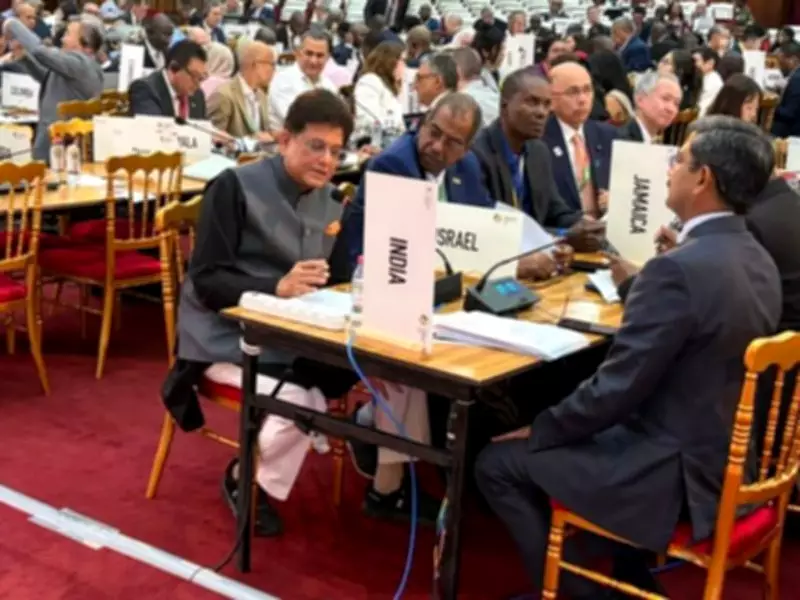
India Champions People-First Fisheries Policy at WTO Ministerial Conference
At the recent World Trade Organization (WTO) Ministerial Conference, India has taken a firm stance by advocating for a people-centric approach to fisheries subsidies. This proposal aims to reshape global fishing policies to prioritize the livelihoods and well-being of small-scale and artisanal fishers, particularly in developing nations.
Focus on Sustainable Livelihoods and Equity
The Indian delegation emphasized that fisheries subsidies must not only address environmental sustainability but also ensure social and economic equity. They argued that current subsidy frameworks often benefit large-scale industrial fleets, leading to overfishing and marginalizing local communities who depend on fishing for their survival.
Key elements of India's proposal include:

- Protecting subsidies for small-scale and artisanal fishers to support their livelihoods and food security.
- Implementing stricter disciplines on subsidies that contribute to overcapacity and overfishing, especially by developed countries.
- Promoting special and differential treatment for developing nations to account for their developmental needs and capacities.
Global Implications and Reactions
This move by India has sparked significant discussions among WTO member countries. Many developing nations have expressed support, viewing it as a crucial step toward balancing trade rules with social justice. However, some developed countries have raised concerns about the potential impact on their fishing industries and the need for uniform regulations.
The conference serves as a critical platform for negotiating the Fisheries Subsidies Agreement, which aims to curb harmful subsidies that deplete marine resources. India's push for a people-centric model highlights the growing recognition that economic policies must integrate human welfare alongside environmental goals.
Looking Ahead: Challenges and Opportunities
As negotiations continue, India faces the challenge of building consensus while safeguarding the interests of vulnerable fishing communities. Success in this endeavor could set a precedent for more inclusive global trade agreements, fostering sustainable development and reducing poverty in coastal regions worldwide.