India Urges Comprehensive Reform of United Nations Security Council
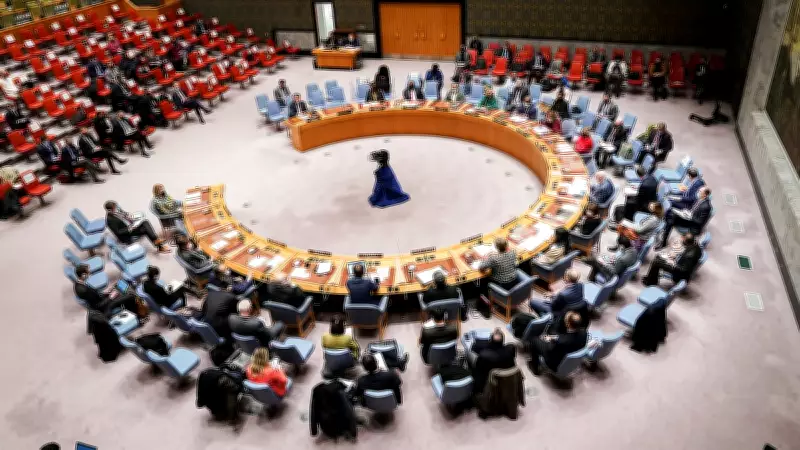
India has issued a strong statement calling for substantial and meaningful reform of the United Nations Security Council (UNSC), emphasizing that any real change must include an expansion of the permanent membership category with the critical inclusion of veto power. The nation's diplomatic representatives highlighted this position during recent discussions on international governance structures, underscoring the necessity for a more equitable and representative global security framework.
Historical Context and Current Imperatives
In its argument, India pointed to the historical precedent set by the sole significant reform of the UNSC in the 1960s. That earlier adjustment, which involved expanding the Council's non-permanent membership, inadvertently resulted in an increase in the relative power and influence of the existing veto-wielding permanent members. This historical lesson serves as a cautionary tale, suggesting that partial reforms without addressing the core issue of permanent membership and veto rights can perpetuate imbalances rather than resolve them.
The current composition of the UNSC, with five permanent members holding veto power—China, France, Russia, the United Kingdom, and the United States—is widely viewed as outdated and not reflective of contemporary geopolitical realities. India, along with other nations like Brazil, Germany, and Japan, has long sought a seat at the permanent table, arguing that their economic, demographic, and strategic significance warrants inclusion.

The Critical Role of Veto Power in Reform
India's stance is clear: expanding the number of permanent members without granting them veto power would be an incomplete and ineffective reform. The veto is seen as a fundamental tool that ensures the voices of new permanent members carry equal weight in critical decisions affecting international peace and security. Without this authority, any new permanent seats risk being marginalized, unable to counterbalance the dominance of the original P5 nations.
Key points in India's argument include:
- Veto power is essential for genuine parity and influence within the UNSC.
- Historical reforms have shown that changes without addressing veto dynamics can reinforce existing power structures.
- The global community must adapt to 21st-century challenges by making the Council more democratic and representative.
Global Implications and Future Prospects
The push for UNSC reform is part of a broader debate on multilateralism and global governance. India's position resonates with many developing countries and emerging economies that feel underrepresented in key international institutions. As geopolitical tensions rise and new security threats emerge, the need for a more agile and inclusive Security Council becomes increasingly urgent.
Looking ahead, India's advocacy is likely to intensify diplomatic efforts, with potential implications for:
- Negotiations among UN member states on reform proposals.
- The balance of power in international decision-making processes.
- The legitimacy and effectiveness of the United Nations in addressing global crises.
In conclusion, India's call for expanding the permanent category with veto rights is framed as a non-negotiable element of real UNSC reform. By drawing on historical lessons and current geopolitical needs, the nation positions itself as a key voice in shaping a more just and functional international order for the future.