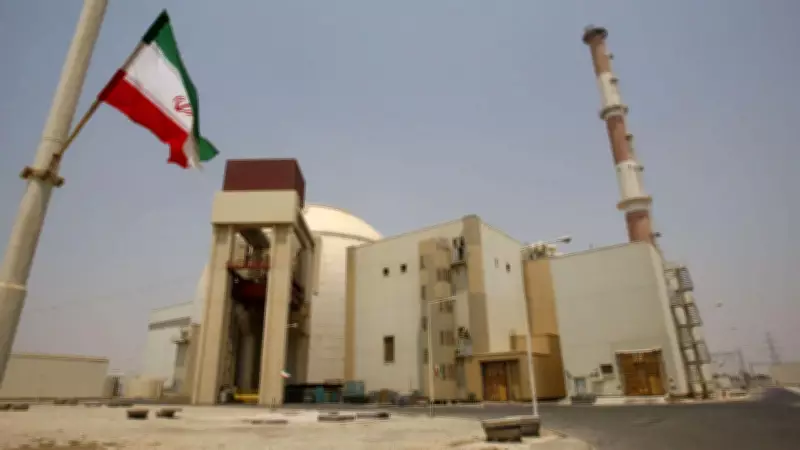
IAEA Discloses Location of Iran's Near-Weapons Grade Uranium Stockpile
The International Atomic Energy Agency (IAEA) has, for the first time, publicly identified the precise location where Iran is storing its most highly enriched uranium. According to a confidential report obtained by Reuters, the stockpile is housed in an underground tunnel complex at the key Isfahan nuclear facility. This disclosure marks a significant development in international monitoring of Iran's nuclear activities, bringing unprecedented transparency to a program that has long been shrouded in secrecy and geopolitical tension.
Isfahan: A Cornerstone of Nuclear Infrastructure
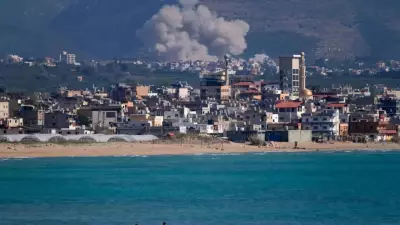
The Isfahan site is described as a cornerstone of Iran's nuclear infrastructure. The IAEA report confirms that uranium enriched to 60% purity is stored there. This level is perilously close to the 90% threshold required for nuclear weapons. Experts warn that this material could be rapidly converted into weapons-grade uranium sufficient for multiple bombs, raising serious proliferation concerns. The tunnel complex itself was targeted in US and Israeli strikes in June, but diplomats indicate the facility appears largely undamaged, suggesting the stockpile remains secure and intact.
Upcoming Technical Talks in Vienna
Amidst these revelations, the IAEA has confirmed that "technical discussions" are scheduled to begin next week, starting Monday, in Vienna. These talks will involve Iran and the United States and aim to hammer out the implementation of nuclear safeguards. The report explicitly states, "Technical discussions will take place in Vienna in the week beginning 2 March 2026." It further adds, "a successful outcome of Iran-US negotiations would have a positive impact on the effective implementation of safeguards in Iran," as reported by AFP. These discussions are critical for establishing verification mechanisms and ensuring compliance with international agreements.

Heightened Friction and Diplomatic Maneuvers
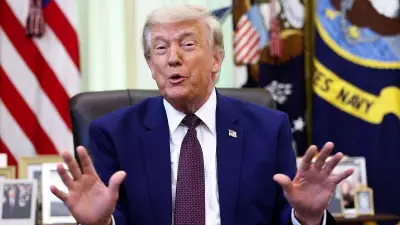
The disclosure comes at a time of heightened friction between Washington and Tehran. Recent talks in Geneva, mediated by Oman, were described by Iran's foreign minister, Abbas Araghchi, as "most intense," with negotiators making very good progress. However, the United States has simultaneously stepped up its military presence across the Middle East. President Donald Trump has repeatedly warned Iran of "serious consequences" if diplomatic efforts collapse. Tehran continues to insist that its nuclear programme is strictly for civilian purposes, but US officials remain wary, suspecting that Iran could be positioning itself to restore or expand elements of its nuclear capabilities if negotiations falter.
Regional Stability at Stake
The stakes are extraordinarily high. A diplomatic failure could further destabilize an already volatile region, potentially triggering a new arms race or conflict. The combination of advanced uranium enrichment, targeted military strikes, and fragile negotiations creates a precarious situation. The international community is closely watching the outcome of the Vienna talks, as they could determine whether Iran's nuclear ambitions remain constrained or escalate into a more direct threat. The IAEA's report serves as a stark reminder of the urgent need for robust diplomatic engagement and transparent safeguards to prevent nuclear proliferation and maintain global security.