Bahrain Submits Revised UN Draft on Hormuz, Removes Binding Enforcement Clause
In a significant diplomatic development, Bahrain has circulated a revised draft resolution at the United Nations regarding the Strait of Hormuz, a crucial maritime passage for global oil supplies. The updated document notably drops previous provisions for binding enforcement measures, reflecting ongoing tensions in the region.
Critical Waterway Faces Near-Total Shipping Halt
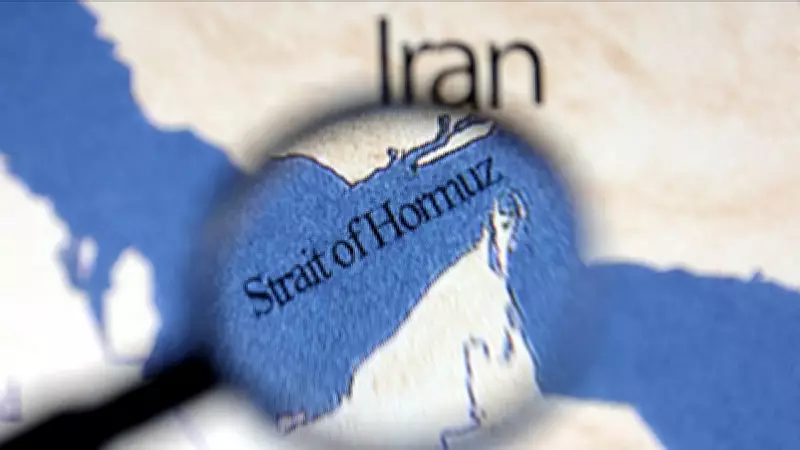
The Strait of Hormuz, through which approximately one-fifth of the world's oil supplies pass, serves as a vital economic lifeline for Gulf nations. Recent events have severely disrupted this flow, with shipping activity slowing to a near-halt. This disruption follows a series of vessel strikes by Iran, escalating conflicts involving the United States and Israel.
The revised draft from Bahrain marks a shift in approach, moving away from mandatory enforcement mechanisms that were included in earlier versions. This change comes as diplomatic efforts intensify to address the security challenges in the waterway, which underpins the economies of several Middle Eastern countries.

Regional Conflicts Impact Global Oil Markets
The attacks on vessels by Iran have created a precarious situation, threatening not only regional stability but also global energy security. The Strait of Hormuz is a narrow chokepoint that facilitates the transit of millions of barrels of oil daily, making any disruption a matter of international concern.
With shipping nearly at a standstill, the economic repercussions are being felt across Gulf economies that rely heavily on oil exports. The revised UN draft aims to foster dialogue and cooperation, rather than impose punitive measures, in an effort to de-escalate tensions and restore safe passage through the strait.
As of April 1, 2026, the situation remains fluid, with international stakeholders closely monitoring developments. The removal of binding enforcement clauses in the Bahraini draft suggests a preference for diplomatic solutions over confrontational tactics in addressing the complex geopolitical dynamics at play.