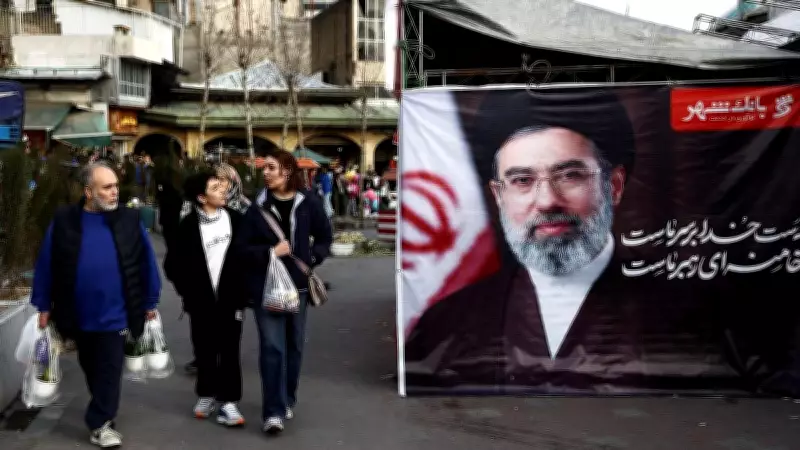
US Targets Iran's Power Brokers with Bounties on Six Key Figures
The United States government has escalated its pressure on the Islamic Republic of Iran by publicly announcing bounties on six prominent Iranian leaders. This strategic move aims to disrupt Iran's political, intelligence, and security apparatus by targeting individuals deeply embedded in the nation's elite power structures. While two of these leaders have since been killed in Israeli military strikes, their inclusion in this list provides a comprehensive view of the influential figures shaping Iran's domestic and foreign policies.
Profiles of the Six Iranian Leaders Under US Scrutiny
The six individuals represent a cross-section of Iran's most powerful institutions, including the Revolutionary Guards, intelligence agencies, and political leadership. Their roles span critical areas such as military operations, cyber warfare, and regional diplomacy, highlighting the multifaceted nature of Iran's influence in the Middle East and beyond.
Notably, two of these leaders are now deceased, having been eliminated in targeted Israeli airstrikes over the past year. Despite their deaths, the US maintains the bounties as part of a broader strategy to document and counter Iran's activities. This approach underscores the enduring impact these figures had on Iran's strategic direction and the ongoing relevance of their networks.

Deep Integration into Iran's Political and Security Architecture
Each of the six leaders profiled here is intricately connected to the Islamic Republic's core institutions. They have played pivotal roles in advancing Iran's interests through a combination of political maneuvering, intelligence gathering, and security operations. Their involvement in key decisions reflects the centralized nature of power in Iran, where a small elite often dictates policy across multiple domains.
The inclusion of deceased individuals in the bounty list serves to illustrate the continuity and resilience of Iran's leadership structures, even in the face of external pressures. It also signals the US's commitment to holding Iranian officials accountable for actions deemed hostile to American interests, regardless of their current status.
Implications for US-Iran Relations and Regional Stability
The placement of bounties on these six leaders marks a significant escalation in the ongoing tensions between the United States and Iran. This action not only targets individuals but also aims to undermine the institutions they represent, potentially affecting Iran's ability to project power regionally. The move has been met with condemnation from Iranian officials, who view it as an unlawful interference in their sovereign affairs.
Analysts suggest that this strategy could further complicate diplomatic efforts and increase the risk of confrontation in an already volatile Middle East. By focusing on key figures within Iran's elite, the US hopes to apply pressure that might lead to policy shifts or internal divisions, though the effectiveness of such measures remains debated.
As the situation evolves, the profiles of these six leaders offer valuable insights into the inner workings of the Islamic Republic and the challenges facing international efforts to engage with Iran. Their stories highlight the complex interplay of politics, security, and ideology that defines modern Iran's place on the global stage.