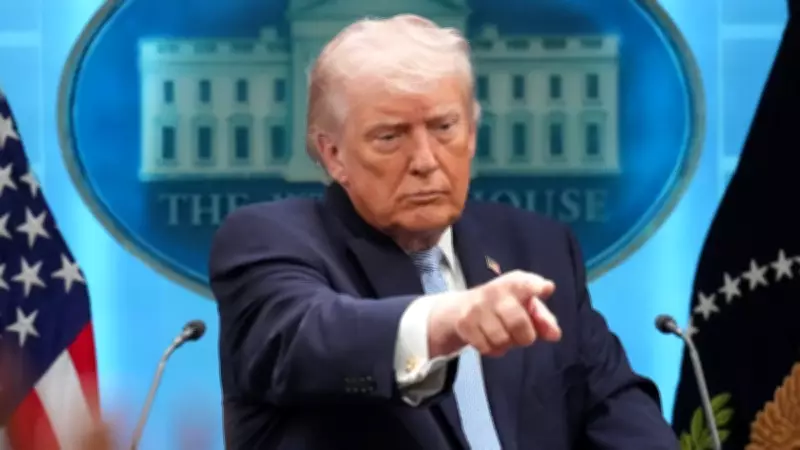
Trump Endorses Israel's Military Action in Lebanon Amid Regional Tensions
In a significant development that has heightened geopolitical friction in the Middle East, former United States President Donald Trump has voiced his explicit support for Israel's ongoing military operation in Lebanon. This endorsement comes at a critical juncture, as the region grapples with escalating hostilities and complex diplomatic maneuvers.
Exclusion of Hezbollah from Iran Ceasefire Agreement
Simultaneously, Trump has made a crucial clarification regarding the recent ceasefire deal involving Iran. He emphasized that the militant group Hezbollah, which is based in Lebanon and backed by Iran, is not included in this agreement. This statement underscores the nuanced and often contentious nature of international negotiations in the area, where proxy forces and state actors are deeply intertwined.
The ceasefire deal with Iran, aimed at reducing broader regional conflicts, appears to have significant limitations, as highlighted by Trump's remarks. By excluding Hezbollah, the deal potentially leaves a major player in Lebanon's security landscape outside the framework of de-escalation efforts, raising questions about its long-term effectiveness and stability.

Implications for Middle East Diplomacy and Security
Trump's backing of Israel's operation in Lebanon signals a strong alignment with Israeli security interests, which could influence future U.S. foreign policy in the region. This move is likely to be viewed as a bolstering of Israel's position amidst its confrontations with Hezbollah, a group that has been a persistent threat along its northern border.
Moreover, the exclusion of Hezbollah from the Iran ceasefire deal may complicate diplomatic efforts, as it creates a gap in addressing one of the most active non-state actors in the Middle East. Analysts suggest that this could lead to increased volatility, with Hezbollah potentially feeling emboldened or isolated, depending on regional dynamics.
The situation reflects the ongoing challenges in achieving comprehensive peace in the Middle East, where ceasefires often involve selective participation and leave underlying tensions unresolved. Trump's statements add a layer of political weight to these issues, reminding observers of the influential role that key international figures continue to play in shaping regional outcomes.