

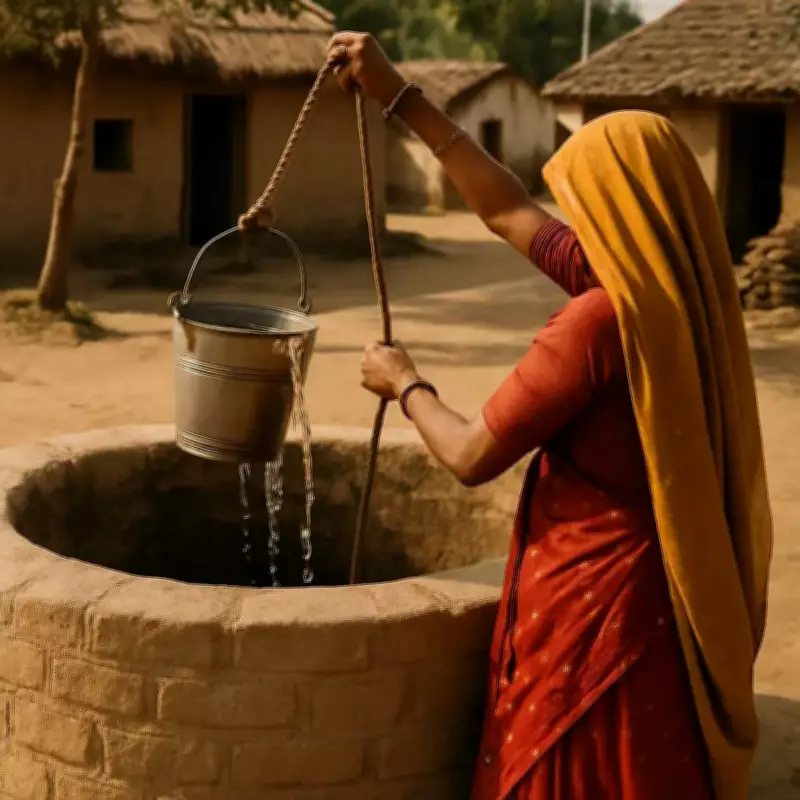
Pune: District health authorities have conducted laboratory tests and confirmed that 132 drinking water sources — including public wells, hand pumps and supply schemes — across 87 villages are contaminated. Corrective measures are being taken to prevent an outbreak of diseases, especially as monsoon approaches.
Worst-Hit Regions
District health officials said the worst-hit regions are Purandar, Baramati and Junnar, where samples from a significant number of sources failed bacteriological quality tests. As the rains near, the findings have intensified anxieties for villagers who depend entirely on public sources for daily drinking water.
Health Risks
Public health experts said the contaminated water is being treated, since it could otherwise trigger outbreaks of diarrhoea, gastroenteritis, typhoid and hepatitis — particularly during the monsoon when runoff water enters wells and open sources.

Immediate Actions
District health officer Dr Ramchandra Hankare said immediate corrective measures have been initiated. “Local authorities have been instructed to disinfect the source and conduct repeat testing whenever a sample is found contaminated. Water is declared safe for public use only after satisfactory results.”
Detection During Surveillance
Health department officials said the contamination was detected during a district-wide water quality surveillance drive in May. Samples collected from villages were tested for microbial contamination and authorities found water from several sources was unfit for consumption without treatment. Experts said the findings have exposed a recurring challenge faced in rural Maharashtra — one to ensure safe drinking water in villages where ageing infrastructure, poor sanitation and seasonal weather conditions often compromise the quality.
Residents' Concerns
Resident of a village in Purandar taluka Sunita Jagtap said, “Public water sources are our only option. Children and elderly people drink this water daily. We are worried diseases will begin to spread once the rains begin.”
In Baramati taluka, residents said they have repeatedly complained about muddy and foul-smelling water reaching households. “The water turns yellow even after a brief spell of rain. We boil it before drinking, but not every family can afford to do so daily,” said farmer Santosh More.
Preventive Measures
Officials have intensified surveillance in vulnerable villages and directed gram panchayats to chlorinate water regularly. Awareness campaigns have also been launched, advising residents to boil drinking water and maintain hygiene around wells and storage tanks.
Demand for Permanent Solutions
In Junnar, where several contaminated sources were identified, villagers said they wanted permanent solutions rather than temporary measures. “Every year, we hear about contamination and chlorination. What we need is a reliable and clean piped water system for the safety of our family,” said resident Laxman Shinde.
Activist Warnings
Activist Akash Kale of Khed tehsil said, “With monsoon clouds gathering over west Maharashtra, the findings are a warning for authorities and communities both. The issue needs to be dealt with carefully since it can gravely affect villagers’ health.”
“Health officials insist that preventive action is underway, but the coming weeks will be a test of whether those measures can avert a public health crisis for thousands of villagers dependent on these water sources,” said activist Santosh Kad of Chakan.






