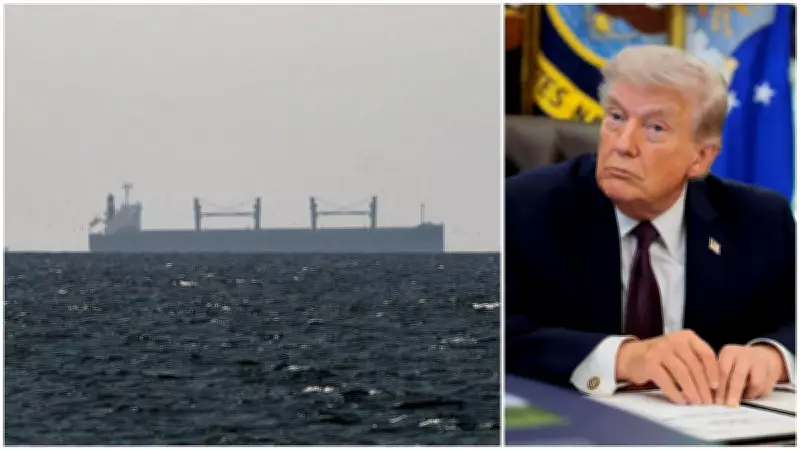
Strait of Hormuz Reopening: Three Potential Scenarios Analyzed
The Strait of Hormuz, a narrow maritime passage between the Gulf of Oman and the Persian Gulf, stands as one of the world's most vital oil shipping lanes. Approximately one-fifth of global oil consumption passes through this chokepoint, making its security and accessibility paramount to international energy markets. Recent regional tensions, particularly involving Iran and neighboring Gulf states, have raised concerns about potential disruptions. In response, geopolitical analysts and maritime experts have outlined three primary scenarios for how the strait might be reopened or secured in the event of a closure or heightened conflict.
Scenario One: Diplomatic Negotiations and Multilateral Agreements
The first and most preferred scenario involves diplomatic efforts led by international bodies such as the United Nations or regional coalitions. This approach would focus on de-escalating tensions through dialogue, potentially resulting in new maritime security pacts or the reinforcement of existing agreements like the International Maritime Organization's guidelines. Key stakeholders, including Iran, Saudi Arabia, the United Arab Emirates, and major oil-importing nations like China and India, would likely participate. Success in this scenario hinges on confidence-building measures, such as joint patrols or transparency initiatives, to ensure safe passage for commercial vessels without military escalation.
Scenario Two: Military Intervention and Naval Escorts
If diplomatic channels fail, a second scenario could see military intervention by a coalition of nations, possibly led by the United States or European powers. This might involve deploying naval forces to escort oil tankers through the strait, similar to operations during the Iran-Iraq War in the 1980s. Such a move would require significant coordination among allied navies and could heighten risks of confrontation, potentially leading to broader regional conflict. Experts note that while this approach might temporarily secure shipping lanes, it could also provoke retaliatory actions, such as mine-laying or asymmetric attacks by non-state actors.

Scenario Three: Alternative Routes and Economic Adaptations
The third scenario explores alternative strategies that reduce reliance on the Strait of Hormuz altogether. This could involve:
- Increasing the use of overland pipelines, such as those from Saudi Arabia to the Red Sea or through Turkey.
- Expanding oil storage capacities in consuming countries to buffer against supply shocks.
- Accelerating investments in renewable energy sources to decrease global oil dependency.
While this scenario offers long-term resilience, it requires substantial infrastructure investments and international cooperation, making it a gradual process rather than an immediate solution.
In conclusion, the reopening of the Strait of Hormuz is a complex issue intertwined with geopolitical rivalries and global economic stability. Each scenario presents distinct challenges and opportunities, from diplomatic peacemaking to military preparedness and economic diversification. As tensions persist, the international community remains watchful, understanding that the strait's fate could significantly impact oil prices, trade flows, and regional security dynamics for years to come.