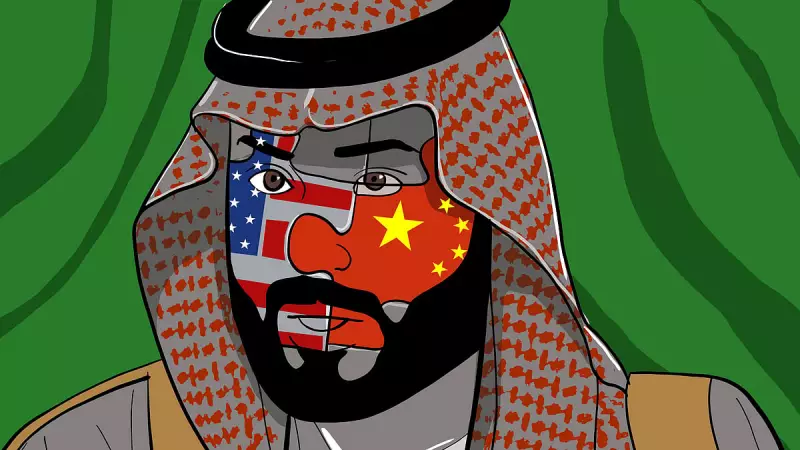
In a dramatic reversal of diplomatic fortunes, Saudi Arabia's Crown Prince Mohammed bin Salman has successfully reset the kingdom's relationship with the United States, achieving a strategic partnership firmly on his own terms.
From Pariah to Powerful Partner
Just seven years ago, the Crown Prince was effectively a pariah in Washington, unable to make an official visit due to widespread international criticism. Today, the situation has transformed completely. The reset, solidified in November 2025, has granted Saudi Arabia some of the most coveted military and technological assets in the world.
The landmark agreement includes the transfer of advanced F-35 fighter jets, placing the kingdom among a select group of nations with access to this cutting-edge military technology. Furthermore, the deal secures access to the world's fastest semiconductors, a critical component for both economic and technological supremacy in the 21st century.

A Strategic Recalibration of Middle East Power
This new chapter in US-Saudi relations is not merely an arms deal; it represents a fundamental shift in the regional balance of power. The Crown Prince has leveraged Saudi Arabia's economic weight and strategic position to secure a deal that significantly bolsters the nation's defensive and technological capabilities.
Analysts see this as a calculated move by the Biden administration to counter influence from other global powers and stabilize a volatile region. By empowering a key regional ally with such advanced tools, the US is betting on Riyadh to play a central role in the future security architecture of the Middle East.
What This Means for Global Politics
The repercussions of this renewed partnership extend far beyond the bilateral relationship. Crown Prince Mohammed bin Salman's successful negotiation for the F-35s and high-tech chips signals his unchallenged authority at home and his growing stature on the world stage.
This deal effectively cements Saudi Arabia's pivotal role in the remaking of the Middle East. It grants the kingdom unprecedented military leverage and positions it as an indispensable, though sometimes controversial, partner for the West. The geopolitical landscape of the region is being redrawn, with Riyadh firmly at the negotiating table, dictating terms that were unthinkable just a few years ago.