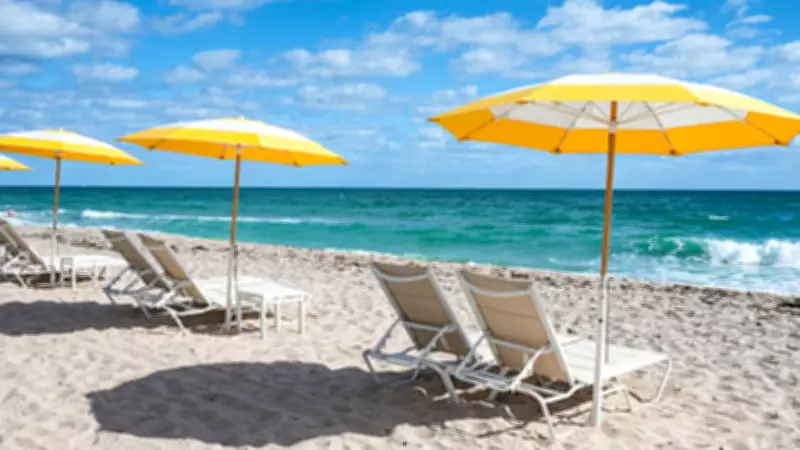
Punta Molentis, a beloved beach near Villasimius on the south-east coast of Sardinia, has officially banned beach umbrellas, tents, and gazebos for most visitors. The rules took effect on June 6th, and the backlash was almost immediate.
Who Can Still Use Umbrellas?
Only families with children under 10 and visitors over 65 are allowed to pitch an umbrella, and even then, they are limited to just one. Everyone else, basically all healthy adults in the middle of their lives, must sit in the full Mediterranean sun. Additionally, they have to pay for the privilege of doing so. Anyone arriving by land is charged €10, while those coming by sea get a slightly better deal at €5.
Reasons Behind the Ban
The council's explanation goes back to the summer of 2025. A major wildfire in July burned through roughly 100 hectares of vegetation and destroyed dozens of parked cars, sending bathers scrambling into the sea to escape. The beach was overcrowded, umbrellas were packed in tight, and when things went wrong, getting people out safely became a serious problem. Officials told CNN that the sheer number of umbrellas made land evacuation nearly impossible during the fire.

But it was not just the fire. A run of winter storms following the blaze had already taken a toll on the dunes and coastal habitats, pushing local authorities to introduce tighter controls before another chaotic beach season could do more damage.
Additional Restrictions
The daily cap on visitors has been set at just 150 people and 70 cars, and cool boxes are also banned from the beach. Punta Molentis is the most dramatic example yet of a much wider trend.
Broader Trend in Sardinia
Booking requirements, daily caps, and entry fees that once applied only at a handful of protected beauty spots have now spread to numerous beaches across Sardinia, from Gallura in the north to the Orosei coast and the south. La Pelosa beach at Stintino set this whole model in motion years ago, and other beloved coves have followed.
Criticism and Implications
Critics argue that capping access to free beaches mostly benefits private beach clubs, which fill up the moment the public spots hit their limit. Whether that is fair or not, the direction of travel is pretty clear. Italy's most beautiful coastlines are getting harder to reach, more expensive to visit, and come loaded with rules that would have seemed unthinkable just a decade ago.