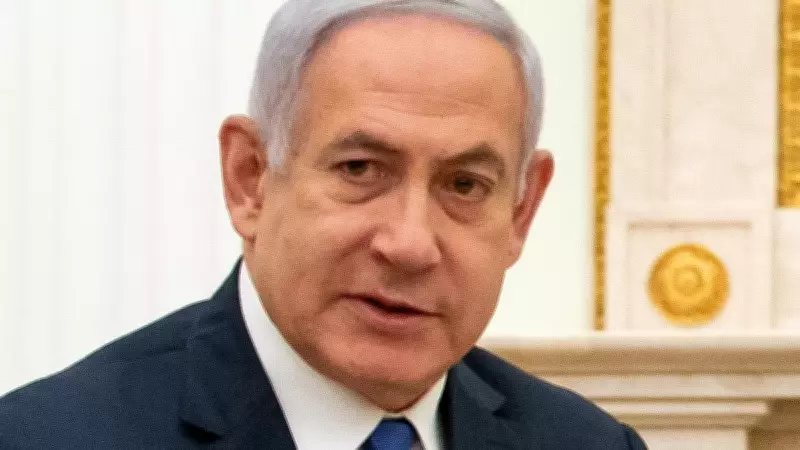
Netanyahu Issues Warning to Iran's New Leader Amid Regional Tensions
Israeli Prime Minister Benjamin Netanyahu has delivered a direct threat to Iran's newly elected leader, Masoud Pezeshkian, while casting doubt on the stability of the Iranian government. This development comes as tensions between Israel and Iran continue to escalate, with both nations engaged in a prolonged geopolitical struggle across the Middle East.
Netanyahu's Stern Message to Pezeshkian
In a recent statement, Netanyahu explicitly warned Pezeshkian, emphasizing that Israel will not tolerate any aggressive actions from Iran. The Israeli leader highlighted Iran's support for proxy groups and its nuclear ambitions as key concerns, stating that Israel is prepared to defend itself against any threats. Netanyahu's remarks underscore the ongoing hostility between the two nations, which has been a defining feature of regional politics for decades.
Uncertainty Over Iranian Government's Future
Netanyahu also expressed skepticism about the longevity and stability of the Iranian government under its new leadership. He pointed to internal challenges, including economic struggles and political dissent, as factors that could lead to potential collapse. This uncertainty adds a layer of complexity to the already volatile situation, as regional actors monitor Iran's domestic affairs closely.

Background of Iran's Leadership Transition
Masoud Pezeshkian was elected as Iran's new leader following a recent presidential election, succeeding Ebrahim Raisi. Pezeshkian, a former health minister, is seen as a moderate figure within Iran's political landscape, but his ability to navigate the country's external pressures remains untested. His election comes at a critical time, with Iran facing international sanctions and ongoing conflicts with Israel and other adversaries.
Regional Implications and Global Concerns
The warning from Netanyahu has significant implications for the Middle East, potentially influencing the dynamics of proxy wars and diplomatic efforts. Global powers, including the United States and European nations, are closely watching the situation, as any escalation could disrupt regional stability and impact international security. The ongoing tensions highlight the fragile nature of peace in the area, with many fearing a broader conflict.
Conclusion: A Tense Standoff Continues
Netanyahu's threats and doubts about Iran's government reflect the deep-seated animosity between Israel and Iran. As both nations navigate this new chapter in leadership, the world remains on alert for any developments that could spark further confrontation. The situation underscores the need for diplomatic engagement to prevent a full-scale crisis in the Middle East.