

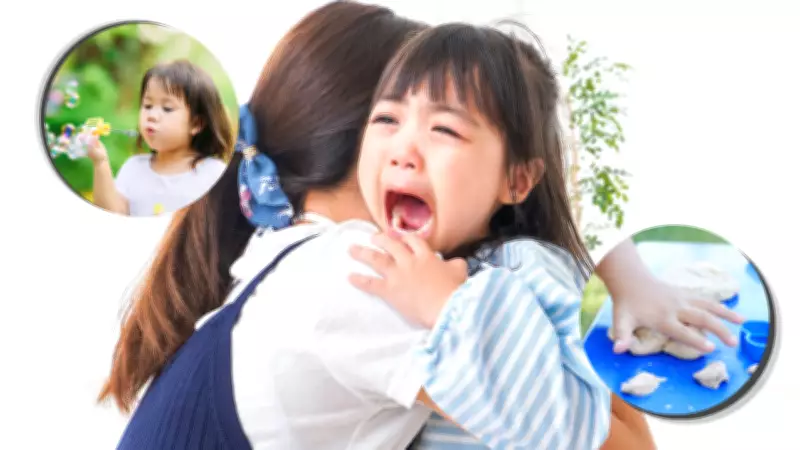
Parents, have you ever experienced your child crying uncontrollably, refusing to stop no matter what you try? Many parents feel guilty and question themselves, wondering why their child behaves this way. However, such behavior does not always indicate misbehavior. There are psychological reasons behind those intense emotions.
Why Do Children Struggle to Calm Down Sometimes?
The ability to notice emotions, manage reactions, and return to a calmer state takes time to develop. A child's brain is still growing, and so is their capacity to handle emotions. The brain regions responsible for impulse control, problem-solving, and emotional regulation continue developing throughout childhood. This means a child may feel an emotion very strongly but may not yet possess the skills to calm themselves down.
Why Saying 'Calm Down' Does Not Work
During an emotional outburst, a child cannot follow instructions. When an adult says, 'Calm down,' the child may hear the words but may not know how to calm themselves at that moment. For many children, 'calm down' can also feel like their emotions are being dismissed. They may think, 'My feelings are not important' or 'Nobody understands me.' A more helpful approach is to first help the child feel safe and understood.

Some activities can help children manage big emotions. Such activities are not meant to stop emotions but rather to help children calm their bodies so they can handle emotions better. Here are seven activities that can help children manage big emotions:
1. Jumping on a Trampoline
Jumping provides strong movement input and can help children release physical tension. Rhythmic movement may support body awareness and help some children feel more organized. Try saying, 'Let's do 20 jumps together, then check how your body feels.'
2. Climbing or Obstacle Courses
Climbing, crawling, balancing, or jumping activities allow children to focus and coordinate their bodies. These activities can help children understand balance and improve their physical coordination.
3. Swimming or Water Play
Water activities can have a calming effect for many children. The pressure of water, repetitive movements, and slow pace can support relaxation. Ideas include gentle swimming, washing toys, pouring water between cups, or playing with water toys.
4. Blowing Bubbles
Bubble blowing naturally encourages slow breathing, which can activate the body's relaxation response. Children practice longer exhales without feeling like they are doing a breathing exercise. Try saying, 'Let's make the biggest bubble by breathing slowly.'
5. Animal Walks
Animal movements combine imagination with physical activity and can help children notice their bodies and shift attention away from overwhelming feelings. Examples include bear crawl, crab walk, frog jumps, and penguin walk.
6. Dancing
Music combined with movement helps express emotions physically. When children dance, they release energy in a physical form, helping them feel regulated and calm.
7. Playing with Clay
Hands-on activities can help children focus and release tension. Playing with clay, playdough, or kinetic sand can help children calm their emotions and find relief.
About the Author: TOI Lifestyle Desk. The TOI Lifestyle Desk is a dynamic team of dedicated journalists who, with unwavering passion and commitment, sift through the pulse of the nation to curate a vibrant tapestry of lifestyle news for The Times of India readers. At the TOI Lifestyle Desk, we go beyond the obvious, delving into the extraordinary. Consider us your lifestyle companion, providing a daily dose of inspiration and information. Whether you're seeking the latest fashion trends, travel escapades, culinary delights, or wellness tips, the TOI Lifestyle Desk is your one-stop destination for an enriching lifestyle experience.






