

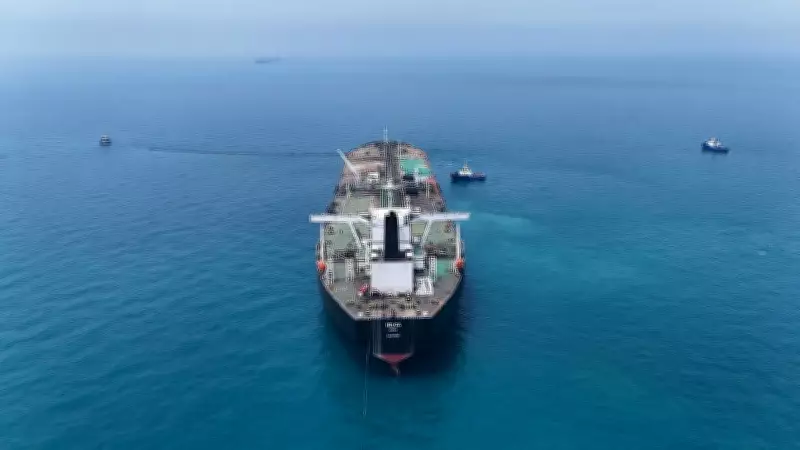
The Strait of Hormuz, a narrow waterway connecting the Persian Gulf to the Gulf of Oman, is one of the world's most strategically important maritime chokepoints. Approximately one-fifth of the global oil supply passes through this strait, making it vital for energy markets. However, piloting ships through this passage has become increasingly perilous due to a combination of geopolitical tensions, military activities, and natural hazards.
Geopolitical Tensions
The strait is bordered by Iran to the north and Oman and the United Arab Emirates to the south. Iran has frequently threatened to close the strait in response to sanctions or military conflicts, raising fears of supply disruptions. In recent years, incidents such as the seizure of oil tankers by Iranian forces and attacks on commercial vessels have heightened risks for maritime operators. The presence of naval forces from various countries, including the United States, adds to the complexity of navigating these waters.
Maritime Hazards
Beyond political risks, the strait presents natural challenges. The waterway is only 33 kilometers wide at its narrowest point, with deep shipping lanes that require precise navigation. Strong currents, shallow waters, and frequent fog can make piloting difficult. Additionally, the area is prone to maritime accidents, including collisions and groundings, which can block the channel and cause environmental disasters.

Impact on Global Oil Shipping
The risks associated with the Strait of Hormuz have direct implications for global oil prices and shipping insurance. Tanker operators often face higher premiums when transiting the strait, and some may seek alternative routes, though none are as cost-effective. The potential for a major disruption remains a constant concern for energy markets, with analysts warning that any closure could lead to a sharp spike in oil prices.
Safety Measures
To mitigate risks, shipping companies employ various safety measures. These include using experienced pilots familiar with the strait, maintaining strict communication with maritime authorities, and adhering to recommended transit corridors. Some vessels also travel in convoys or under naval escort during periods of heightened tension. Despite these precautions, the inherent dangers of the strait persist.
In conclusion, the Strait of Hormuz remains a high-risk passage for maritime navigation, balancing the demands of global energy supply against the threats posed by geopolitical strife and natural obstacles. As long as the region remains volatile, the peril of piloting ships through these waters will continue to be a significant concern for the shipping industry and the global economy.






