Geopolitical Echoes: How Events in the Muslim World Spark Protests in Kashmir
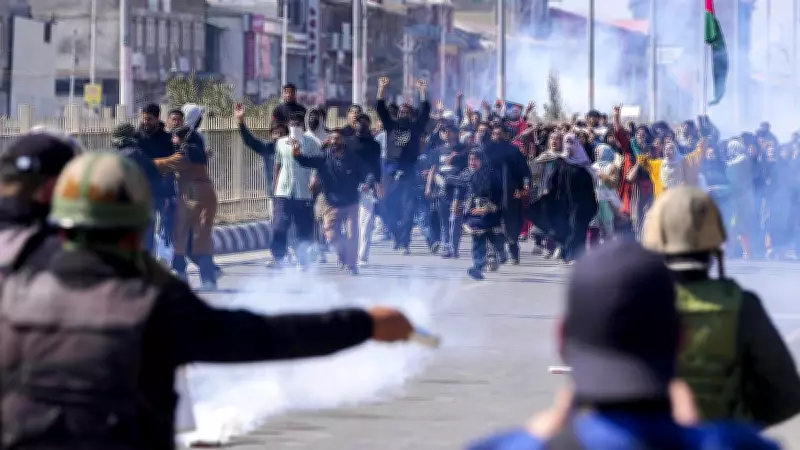
Recent demonstrations in Srinagar have once again underscored a recurring pattern: geopolitical events in distant parts of the Muslim world often trigger strong reactions in Kashmir. These protests serve as a vivid reminder of the deep-seated connections that bind Kashmiri Muslims to broader Islamic communities across the globe.
The Latest Wave of Demonstrations
In early March 2026, protests erupted in Srinagar, drawing attention to how developments in Tehran and other Middle Eastern regions can quickly resonate in the Kashmir Valley. The demonstrations were not isolated incidents but part of a long-standing trend where Kashmiri Muslims express solidarity with fellow Muslims facing political or social upheavals abroad.
This phenomenon highlights the intricate web of religious, cultural, and political ties that transcend geographical boundaries. For instance, events involving key figures like Ayatollah Ali Khamenei in Iran or issues such as Iran's oil policies can swiftly become rallying points in Kashmir, fueling public gatherings and calls for action.

Understanding the Resonance
The strong resonance of Muslim world events in Kashmir can be attributed to several factors:
- Religious Affinity: Shared Islamic faith fosters a sense of unity and empathy among Kashmiri Muslims towards global Muslim communities.
- Historical Context: Kashmir's own political struggles often align with broader narratives of resistance and identity in the Muslim world.
- Media and Communication: Increased access to global news and social media amplifies the impact of distant events, making them feel immediate and relevant.
- Political Symbolism: Geopolitical shifts in nations like Iran are seen as symbolic of larger power dynamics that affect Muslim populations worldwide.
Broader Implications for Regional Dynamics
These protests are more than just spontaneous reactions; they reflect deeper geopolitical undercurrents. The demonstrations in Srinagar often serve as barometers for local sentiments and can influence regional stability. By responding to events in Tehran or other parts of the Middle East, Kashmiri protesters highlight how global Muslim issues are intertwined with local aspirations and grievances.
Moreover, this dynamic underscores the importance of international relations in shaping domestic protests. As Kashmir continues to navigate its complex political landscape, the echoes from the Muslim world add layers to its socio-political fabric, making it a microcosm of broader Islamic solidarity movements.
Looking Ahead
As geopolitical events in the Muslim world evolve, the likelihood of similar protests in Kashmir remains high. This pattern emphasizes the need for a nuanced understanding of how global developments can have localized impacts, particularly in regions with strong religious and cultural affiliations. The demonstrations in Srinagar are a testament to the enduring bonds that connect Kashmiri Muslims to their counterparts across the globe, ensuring that distant events will continue to spark reactions in the valley for the foreseeable future.