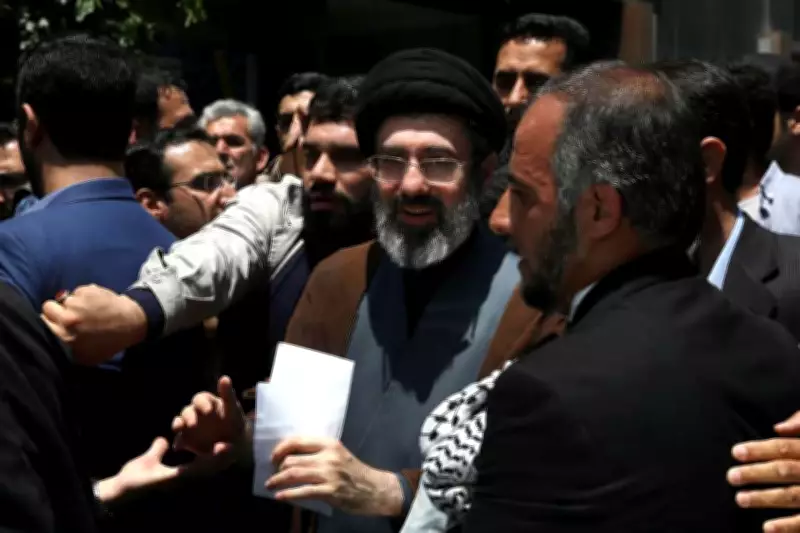
Mojtaba Khamenei Reportedly Survives Alleged US-Israel Attack Amid Regional Tensions
In a development that has sent shockwaves through the Middle East, reports have emerged claiming that Mojtaba Khamenei, the influential son of Iran's Supreme Leader Ayatollah Ali Khamenei, survived an alleged attack orchestrated by the United States and Israel. The incident, which reportedly occurred recently, has not been officially confirmed by Iranian authorities, leaving a cloud of uncertainty over the volatile region.
Details of the Alleged Attack Remain Murky
According to unverified sources, the attack targeted Mojtaba Khamenei, who is often seen as a potential successor to his father in Iran's political hierarchy. The exact nature of the assault—whether it involved a drone strike, cyber operation, or other means—remains unclear, as no specific details have been released by any government involved. The timing of this report coincides with heightened geopolitical friction between Iran and Western powers, particularly over nuclear negotiations and regional proxy conflicts.
Iran has maintained a conspicuous silence on the matter, with no official statements from the Foreign Ministry or other state bodies. This lack of response is fueling speculation about the veracity of the claims and potential diplomatic repercussions. Analysts suggest that if confirmed, such an incident could escalate existing tensions, potentially leading to retaliatory measures from Tehran.

Potential Implications for US-Iran Relations
The alleged involvement of the United States and Israel adds a complex layer to an already strained relationship. Both nations have historically been at odds with Iran over its nuclear program and support for militant groups in the Middle East. If proven true, this attack could represent a significant escalation in covert operations, undermining ongoing diplomatic efforts and peace talks.
- Increased military posturing in the Persian Gulf and surrounding areas.
- Possible disruptions to international oil markets due to security concerns.
- Heightened scrutiny of Iran's internal political dynamics, especially regarding succession plans.
Experts warn that the situation requires careful monitoring, as any misstep could spark broader conflicts. The international community, including the United Nations, is likely to call for restraint and transparency from all parties involved.
Background on Mojtaba Khamenei's Role in Iran
Mojtaba Khamenei, born in 1969, is a prominent figure within Iran's clerical and political circles. He holds no official government position but wields considerable influence behind the scenes, often advising his father on key matters. His perceived role as a potential future leader has made him a focal point in discussions about Iran's political future, particularly as Ayatollah Ali Khamenei ages.
- He is involved in religious and educational institutions, shaping ideological narratives.
- His connections to the Islamic Revolutionary Guard Corps (IRGC) bolster his authority.
- Speculation about his succession prospects has intensified in recent years, amid internal power struggles.
This alleged attack, if true, could be interpreted as an attempt to destabilize Iran's leadership structure, targeting a key figure in the regime's continuity plans. It underscores the high-stakes nature of regional rivalries and the personal risks faced by top Iranian officials.
As the story develops, global observers are awaiting official confirmation or denial from Tehran. The silence from Iran so far suggests a cautious approach, possibly to assess the situation internally before making any public moves. In the meantime, security analysts emphasize the need for verified information to avoid misinformation that could exacerbate tensions.