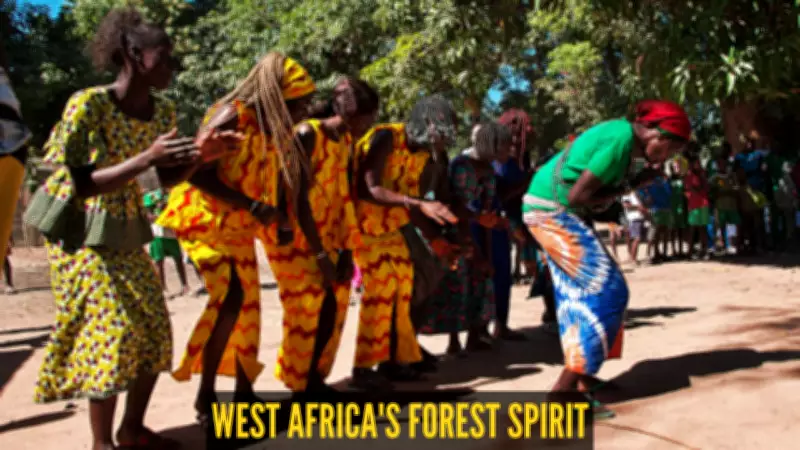
Deep in southern Senegal's lush Casamance region, the sudden beat of drums often signals something extraordinary. Crowds gather as a towering figure, entirely covered in palm fronds, steps out of the sacred forest. To the locals, this is no mere show. This is the Kumpo. As one of West Africa's most captivating living traditions, it survives as an expression of the beliefs held by the Diola people. If you are a traveller hoping to find something deeper than standard city sights and sunny beaches, witnessing the Kumpo gives you a brilliant, unfiltered look at a centuries-old custom that still anchors Senegalese community life today.
What is the Kumpo?
Practised by the Diola (or Jola) people of Casamance, the Kumpo is a sacred masquerade. While plenty of cultural dances worldwide are put on simply for holidaymakers, this one remains strictly tied to local spiritual life. The Diola do not just see a performer in a mask; they view the Kumpo as a spiritual entity emerging from the forest to bless the village, keep the peace, and tighten social ties. You will typically see it make an appearance during harvest festivals, major community gatherings, and other vital celebrations. It is a particularly strong tradition around Lower Casamance towns like Oussouye, Ziguinchor, and Kafountine.
The mysterious figure from the forest
The sheer look of the Kumpo is unforgettable. Coated from top to bottom in dried palm leaves, the person inside is completely hidden from view. A long wooden pole pokes out from the top, frequently finished off with a brightly coloured flag. It makes for an otherworldly, imposing figure that genuinely looks born of the woods. Once the Kumpo hits the village square, the drumming kicks into high gear. The villagers start dancing, and the whole community gets into the feel. Despite the heavy, awkward-looking suit, the figure darts about with incredible agility. The absolute highlight comes when the Kumpo balances on its wooden pole and spins furiously. For generations, the Kumpo has been a symbol of unity and mutual respect. When it appears, the whole community comes together, from the youngest kids to elder members, all getting fully involved in the celebrations.

A celebration powered by music and dance
You cannot have a Kumpo ceremony without a proper soundtrack. Booming traditional drums set a heavy rhythm that echoes right across the village. Men and women dance together in massive rings, while the local musicians and singers keep the energy cranked up for hours on end. It is an incredibly interactive affair. Nobody just sits on the sidelines watching; joining in with the singing and dancing is a core part of the ritual. For anyone lucky enough to visit, it turns into a brilliant, authentic display of Diola culture in full swing.
Where can travellers experience the Kumpo?
Your best bet is the Casamance region, particularly around hubs like Ziguinchor, Oussouye, Abené, and Kafountine. Since proper village ceremonies happen when the community needs them, rather than when tourists want them, it can be tricky to predict exactly when one will occur. However, you might catch performances during broader regional festivals, like those in Abene and Kafountine, which offer a great, visitor-friendly way to see the tradition respectfully. Because you cannot just check a tourist timetable, teaming up with local guides or community tourism groups is the smartest way to improve your chances of actually catching a ceremony.
How to reach Casamance
The quickest route is a one-hour flight straight from Dakar down to Ziguinchor or Cap Skirring. If you prefer the scenic route, you can take the overnight ferry from Dakar to Ziguinchor. It takes about 14 to 16 hours but gives you some lovely views of the Atlantic coastline and the Casamance River. You can also drive from Dakar through neighbouring Gambia, though border checks will certainly add time to your journey. Whichever way you go, Ziguinchor acts as the perfect base camp for sorting out cultural excursions into the local villages.

Best time to visit
Aim for the dry season, running from November through to April. The weather is far more comfortable, the dirt roads are much easier to tackle, and there is a lot more going on culturally. December and January are particularly brilliant months to visit, packed with various regional festivals. If you are hunting for a cultural experience, definitely cross-reference your travel dates with local event calendars, as Kumpo appearances are typically linked to specific local celebrations.
Important etiquette for visitors
If you do get to see the Kumpo, respect is absolutely non-negotiable. Never touch the figure or try to peek under the palm leaves. The locals hold the Kumpo in the highest regard, and doing so is considered massively offensive. Ask for photography permission before you start snapping pictures, especially near sacred spots or during the ceremony itself. Above all, remember that this is not a theme park attraction built for outsiders. It is a genuine, breathing tradition with deep meaning for the people who practise it. If you arrive with humility, respect, and a bit of curiosity, you will be warmly welcomed and rewarded with a deeper understanding of one of West Africa's most brilliant cultural gems. For travellers willing to head to Senegal's green south, the Kumpo delivers exactly what modern travel often lacks: a deeply meaningful, vividly alive slice of local life.