

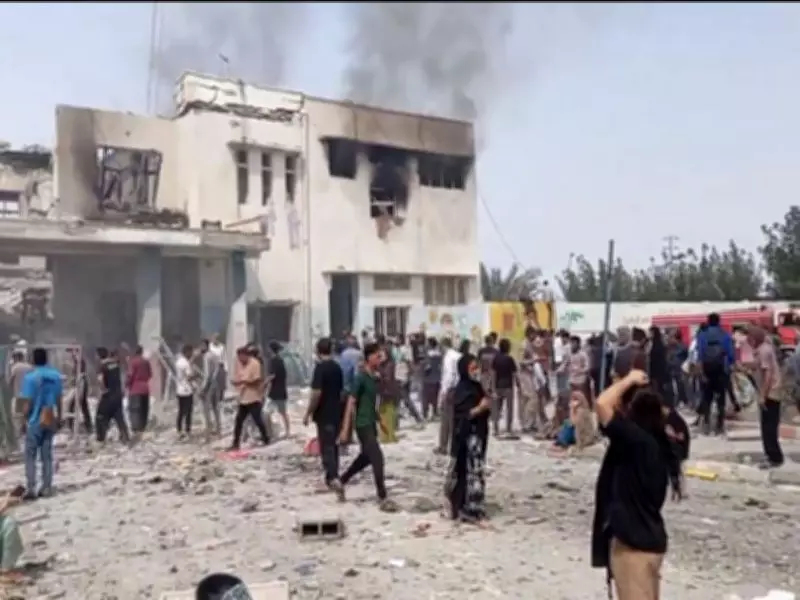
Israeli Airstrikes Target Senior Iranian Defense Officials
In a dramatic escalation of hostilities in the Middle East, the Israeli Air Force has conducted precision airstrikes that resulted in the deaths of seven senior Iranian defense officials. This operation represents a significant and direct military action by Israel against high-level Iranian personnel, underscoring the intensifying proxy conflicts and geopolitical rivalries in the region.
Details of the Airstrike Operation
The airstrikes, carried out with advanced military technology, specifically targeted a gathering of Iranian defense officials who were reportedly involved in strategic planning and coordination activities. According to initial reports, the strikes were executed with pinpoint accuracy, minimizing collateral damage while achieving the primary objective of neutralizing key figures within Iran's defense establishment.
The seven officials killed held senior positions in various branches of Iran's defense apparatus, including roles related to military strategy, weapons development, and regional operations. Their elimination is expected to have a substantial impact on Iran's defense capabilities and its ability to project influence across the Middle East, particularly in conflicts involving proxy groups supported by Tehran.

Regional and International Implications
This incident is likely to exacerbate already tense relations between Israel and Iran, two nations that have long been engaged in a shadow war across the region. The airstrikes come amid ongoing conflicts in areas such as Syria and Lebanon, where Iranian-backed militias operate, and could trigger retaliatory actions from Iran or its allies, potentially leading to a broader military confrontation.
International observers are closely monitoring the situation, as the killing of senior defense officials marks a bold move by Israel that may draw reactions from global powers. The United States and other nations have historically been involved in mediating tensions in the Middle East, and this development could prompt renewed diplomatic efforts to prevent further escalation.
Background and Context
Israel and Iran have been locked in a protracted conflict, with Israel frequently targeting Iranian assets and personnel in Syria and other neighboring countries to counter Tehran's influence. Iran, in turn, has supported groups like Hezbollah and Hamas, which oppose Israel. The airstrikes that killed the seven officials are seen as part of Israel's broader strategy to weaken Iran's military and strategic foothold in the region.
Key aspects of this strategy include:
- Disrupting Iranian supply lines and infrastructure in conflict zones.
- Targeting high-value individuals involved in planning attacks against Israeli interests.
- Demonstrating military superiority to deter future Iranian aggression.
The loss of these senior officials could force Iran to reassess its operational tactics and may lead to internal reshuffling within its defense hierarchy. However, it also raises the risk of heightened hostilities, as Iran might seek to avenge the deaths through covert or overt means.
Potential Outcomes and Future Scenarios
In the aftermath of the airstrikes, several scenarios could unfold. Iran may respond with missile attacks, cyber warfare, or increased support for proxy groups targeting Israeli assets. Alternatively, diplomatic channels might be activated to de-escalate tensions, though the direct nature of this attack complicates such efforts.
Regional stability is at stake, as other countries in the Middle East, including Saudi Arabia and the United Arab Emirates, have their own concerns regarding Iranian influence. This event could influence alliances and security dynamics across the region, potentially leading to shifts in international policy and military postures.
As the situation develops, continued monitoring of official statements from both Israel and Iran, as well as reactions from global leaders, will be crucial in understanding the full impact of this significant military action.






