

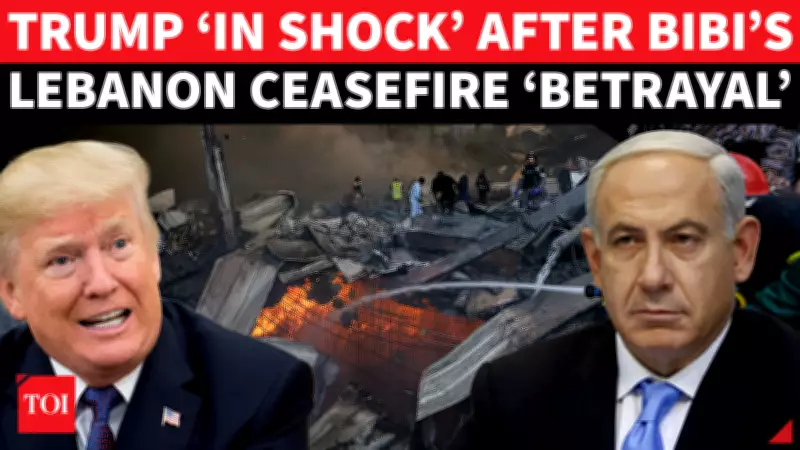
Netanyahu Rejects Trump's Lebanon Peace Efforts, Israeli Forces Strike Hezbollah Ahead Of Talks
The Donald Trump administration is making all-out efforts to broker peace between Israel and Lebanon, as both countries continue fighting. U.S. Secretary of State Marco Rubio is set to meet Lebanese and Israeli commanders in Washington D.C. on Tuesday. The high-stakes meeting comes as Israel has made it clear that the talks would focus on disarming Iran-backed Hezbollah.
Israeli Prime Minister's Firm Stance
Israeli Prime Minister Benjamin Netanyahu has firmly rejected the Trump administration's peace efforts regarding Lebanon, signaling a significant diplomatic rift ahead of crucial negotiations. Netanyahu's administration has emphasized that any peace talks must prioritize the complete disarmament of Hezbollah, which Israel views as a direct threat to its national security.
Military Escalation Before Diplomacy
In a clear show of force, Israeli military units conducted targeted strikes against Hezbollah positions in southern Lebanon just hours before the scheduled Washington talks. These strikes are seen as a strategic move to strengthen Israel's bargaining position and demonstrate its resolve against what it calls "Iranian proxy forces" in the region.

Hezbollah's Opposition to Negotiations
On the other side of the conflict, Hezbollah leadership has urgently called for the Lebanese government to withdraw from the upcoming talks with Israel. The militant group has consistently opposed any diplomatic engagement with Israel, maintaining its position as a resistance movement against what it terms "Zionist occupation."
Background of Current Conflict
The latest round of fighting between Israel and Hezbollah began on March 2, just two days after the United States and Israel launched a coordinated attack on Iranian positions. This escalation has created a complex geopolitical situation where regional tensions intersect with international diplomacy.
Washington's Diplomatic Challenge
Secretary of State Marco Rubio faces a formidable diplomatic challenge in bringing both parties to the negotiating table. The Trump administration's peace initiative represents one of the most significant diplomatic efforts in the region since the current conflict began, but faces obstacles from both Israeli and Lebanese factions.
Regional Implications
The outcome of these talks could have far-reaching implications for Middle East stability. A successful negotiation might pave the way for broader regional peace, while failure could lead to further military escalation and potentially draw in other regional powers.
Key developments to watch include:
- The specific terms Israel will demand for Hezbollah's disarmament
- Lebanon's ability to negotiate independently given Hezbollah's significant influence
- Iran's reaction to potential diplomatic progress between Israel and Lebanon
- The Trump administration's next steps if initial talks prove unsuccessful
The situation remains fluid as military actions continue alongside diplomatic preparations, creating a tense atmosphere ahead of Tuesday's crucial meeting in Washington D.C.






