

Israel-Iran Conflict Escalates: Live Updates on Middle East Tensions
The ongoing conflict between Israel and Iran has entered a critical phase, with recent military actions and diplomatic maneuvers intensifying tensions across the Middle East. This detailed coverage provides live updates on the evolving situation, highlighting key events, regional impacts, and international reactions.
Recent Military Developments
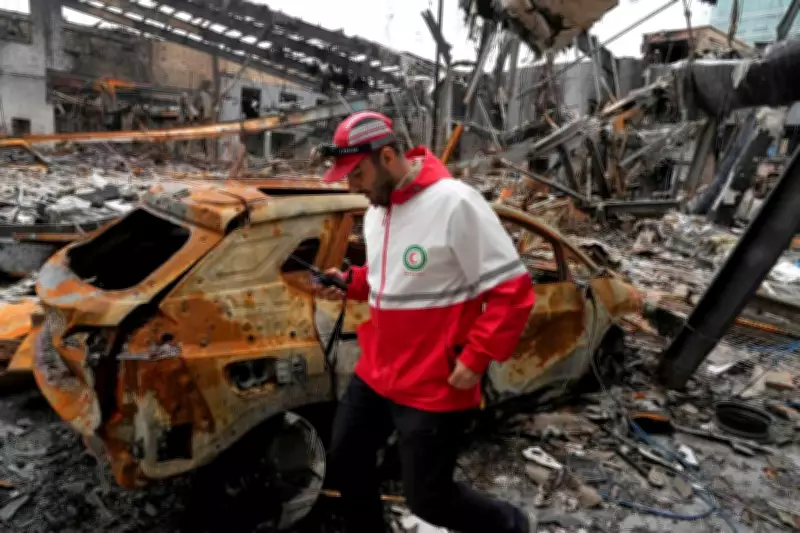
In the latest escalation, both Israel and Iran have engaged in a series of military strikes and counter-strikes. Reports indicate that Israeli forces conducted targeted operations against Iranian-backed militias in neighboring countries, while Iran responded with missile launches aimed at Israeli positions. These actions have raised concerns about a broader regional war, with casualties and infrastructure damage reported on both sides.
The conflict has also seen cyber warfare tactics, with both nations allegedly launching digital attacks on critical infrastructure. Experts warn that these cyber operations could disrupt essential services and escalate the conflict beyond traditional battlefields.

Diplomatic Efforts and International Response
Amid the rising violence, diplomatic channels are actively working to de-escalate the situation. The United Nations has called for an immediate ceasefire, with envoys from major powers, including the United States and European Union, engaging in mediation talks. However, progress has been slow, as both Israel and Iran maintain firm stances on security and sovereignty issues.
Regional allies and global nations are closely monitoring the conflict, with some expressing support for Israel's right to self-defense, while others criticize Iran's aggressive posturing. The involvement of proxy groups and external actors has further complicated the diplomatic landscape, making a swift resolution challenging.
Impact on the Middle East Region
The Israel-Iran conflict is having significant repercussions across the Middle East. Key impacts include:
- Humanitarian Crisis: Civilian populations in conflict zones are facing displacement, shortages of essential supplies, and heightened security risks.
- Economic Disruption: Trade routes and oil production in the region are being affected, leading to volatility in global markets.
- Regional Stability: Neighboring countries are on high alert, with some reinforcing their military defenses and others seeking to avoid direct involvement.
Analysts note that the conflict could reshape geopolitical alliances in the Middle East, with long-term implications for peace and security in the area.
Global Concerns and Future Outlook
As the Israel-Iran conflict continues, global leaders are urging restraint to prevent a full-scale war. The international community fears that further escalation could draw in other nations and destabilize the entire region. Efforts are underway to provide humanitarian aid and support diplomatic initiatives aimed at reducing tensions.
Looking ahead, the situation remains fluid, with potential for sudden developments. Stakeholders emphasize the need for dialogue and conflict resolution mechanisms to address the root causes of the dispute and ensure a sustainable peace in the Middle East.






