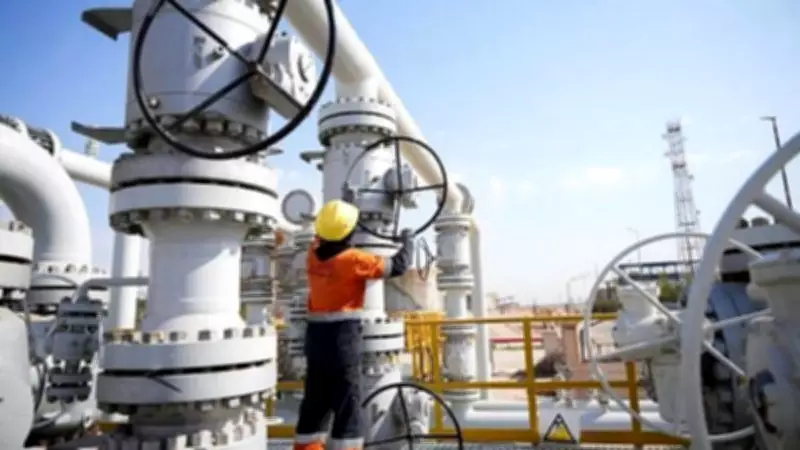
Iraq's Oil Production Suffers Major Collapse Amid Ongoing US-Iran War
Iraq's crucial oil production has experienced a severe and dramatic collapse as the strategic Strait of Hormuz remains effectively blocked due to the escalating military conflict between the United States and Iran, according to informed sources familiar with the situation. The vital maritime chokepoint, through which a significant portion of global oil shipments traditionally passes, has become a focal point of the war, leading to catastrophic disruptions for Iraq's energy exports and economy.
Pre-War Production Levels Now a Distant Memory
Before the outbreak of hostilities, Iraq's oil fields were producing at a robust rate of approximately 4.3 million barrels per day (bpd), positioning the nation as one of the world's leading oil exporters and a key player in OPEC. This substantial output was a cornerstone of Iraq's national revenue and economic stability, funding essential public services and infrastructure projects. However, the current blockade and associated security threats have rendered these pre-war figures a stark contrast to the present reality, with production now estimated to be a fraction of its former capacity.
The Strait of Hormuz: A Critical Chokepoint in Conflict
The Strait of Hormuz is arguably the world's most important oil transit corridor, linking the Persian Gulf with the Gulf of Oman and the Arabian Sea. It serves as the primary export route for oil from Iraq, Iran, Kuwait, Saudi Arabia, the United Arab Emirates, and Qatar. The ongoing US-Iran war has transformed this narrow waterway into a highly contested and dangerous zone, with naval blockades, mine threats, and military engagements making it nearly impassable for commercial tankers. This blockage has not only crippled Iraq's export capabilities but has also sent shockwaves through global energy markets, contributing to supply shortages and price volatility.

Broader Implications for Iraq and Global Energy Security
The collapse in Iraqi oil production carries profound implications beyond immediate economic losses. Key consequences include:
- Economic Devastation: Iraq's federal budget, heavily reliant on oil revenues, faces an unprecedented crisis, potentially leading to austerity measures, delayed salaries, and reduced public spending.
- Global Supply Chain Disruptions: The reduction in Iraqi exports exacerbates existing global oil supply constraints, affecting prices and energy security worldwide, particularly in import-dependent regions.
- Regional Stability Risks: The economic fallout may fuel social unrest within Iraq and complicate diplomatic efforts to resolve the broader Middle East conflict.
- Infrastructure Vulnerability: The situation highlights the extreme vulnerability of critical energy infrastructure to geopolitical tensions and military actions.
Sources indicate that efforts to reroute exports via alternative pipelines or ports have proven insufficient to compensate for the loss of Hormuz access, given the sheer volume typically shipped through the strait. The Iraqi government and international stakeholders are reportedly exploring emergency measures, but with the war showing no signs of abating, a swift resolution appears unlikely. This ongoing crisis underscores the fragile interdependence of global energy markets and regional politics, with Iraq's oil collapse serving as a stark reminder of the tangible costs of conflict.