K-RIDE Takes Financial Action Against L&T Over Terminated Contract
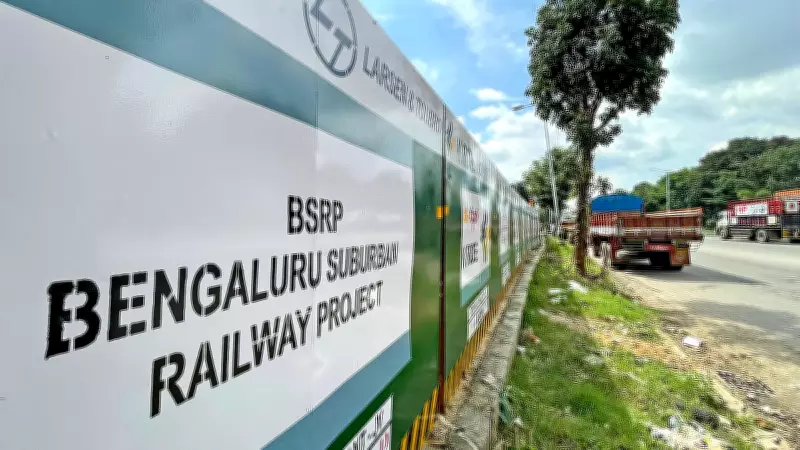
In a significant development within India's infrastructure sector, the Karnataka Rail Infrastructure Development Enclave (K-RIDE) has moved to encash bank guarantees provided by engineering giant Larsen & Toubro (L&T). This decisive action follows the termination of a major contract between the two entities, marking a sharp escalation in their ongoing dispute.
Details of the Financial Enforcement
The encashed bank guarantees are reported to be worth approximately Rs 1,000 crore. These guarantees were originally furnished by L&T as part of its contractual obligations for a large-scale rail infrastructure project in Karnataka. The move by K-RIDE, a special purpose vehicle jointly promoted by the Government of Karnataka and the Ministry of Railways, represents a direct financial claim against one of India's largest construction firms.
The underlying contract, which involved critical rail corridor development, was terminated by K-RIDE due to alleged delays and non-compliance with project specifications. Sources indicate that multiple notices and opportunities for rectification were provided to L&T before the termination decision was finalized.

Contractual and Legal Implications
This enforcement of bank guarantees carries substantial contractual and legal weight. Bank guarantees serve as a financial safety net for project owners, ensuring that contractors fulfill their obligations. By encashing them, K-RIDE is exercising a standard but severe contractual remedy, typically reserved for significant breaches.
The situation underscores the high-stakes nature of public infrastructure projects, where delays can have cascading effects on regional development and public convenience. It also highlights the rigorous enforcement mechanisms being employed by government-backed entities to safeguard project timelines and quality standards.
Broader Impact on Infrastructure Sector
The action is likely to resonate across India's infrastructure landscape, sending a clear message about the consequences of contractual non-performance. Key implications include:
- Increased scrutiny on contractor performance and adherence to timelines in public-private partnership projects.
- Potential recalibration of risk assessment and guarantee provisions in future infrastructure contracts.
- Possible legal proceedings, as L&T may challenge the termination or the encashment in court, leading to protracted litigation.
- Financial repercussions for L&T, impacting its liquidity and project portfolio in the short term.
Industry analysts note that while such enforcements are not uncommon in contract disputes, the scale involved here—involving a major player like L&T and a substantial guarantee amount—makes this case particularly noteworthy. It reflects growing impatience with project delays and a stricter adherence to contractual terms by project authorities.
Context and Background
K-RIDE was established to accelerate rail infrastructure development in Karnataka, focusing on enhancing connectivity and supporting economic growth. The terminated project was a cornerstone of these efforts, aimed at improving freight and passenger rail networks in the region.
L&T, as a leading infrastructure conglomerate, has been involved in numerous high-profile projects across India. This incident, however, poses a challenge to its reputation for timely execution and could influence its bidding strategies for future government contracts.
The encashment of bank guarantees is often a precursor to further legal actions, including claims for additional damages or arbitration. Both parties are expected to engage in negotiations or legal battles to resolve the underlying issues, with the outcome potentially setting a precedent for similar disputes in the infrastructure sector.
As the situation unfolds, stakeholders will be closely monitoring the responses from L&T and any subsequent developments, which could shape contractual practices and enforcement norms in India's rapidly evolving infrastructure domain.