

Iraq Closes Key Border Crossing with Iran After Fatal Airstrikes
In a significant move that underscores rising tensions in the Middle East, Iraq has announced the closure of the Shalamcheh border crossing with Iran. This decision comes in direct response to a series of airstrikes that resulted in the tragic deaths of Iraqi civilians, marking a sharp escalation in regional hostilities. The Shalamcheh crossing, a vital conduit for trade and travel between the two nations, is now shut indefinitely, disrupting economic activities and straining diplomatic relations.
Details of the Airstrikes and Immediate Aftermath
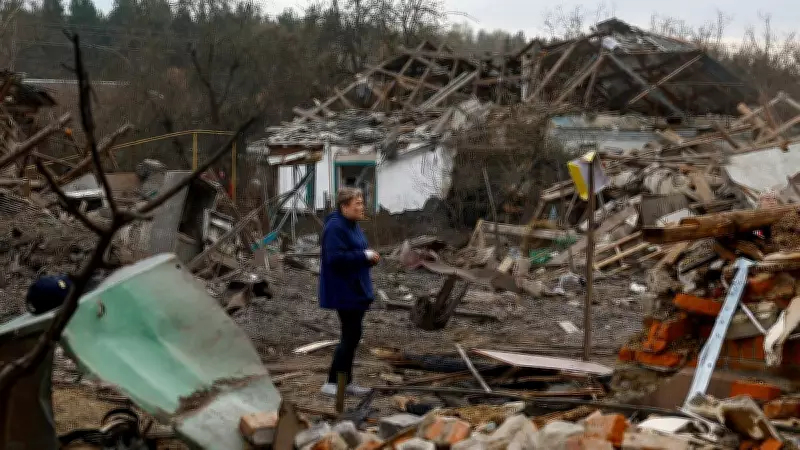
The airstrikes, which targeted areas within Iraq, have been attributed to Iranian forces, though official confirmations are still pending. Reports indicate that multiple civilians were killed in the attacks, prompting widespread condemnation from Iraqi authorities. The Iraqi government has expressed outrage over the loss of innocent lives, labeling the strikes as a blatant violation of sovereignty. In retaliation, the closure of the Shalamcheh crossing was swiftly implemented, with officials citing security concerns and the need to protect national interests.
Impact on Regional Trade and Diplomacy

The Shalamcheh crossing is a critical economic lifeline, facilitating the movement of goods and people between Iraq and Iran. Its closure is expected to have severe repercussions for cross-border trade, potentially leading to shortages and increased prices for essential commodities in both countries. Moreover, this action signals a deepening rift in Iraq-Iran relations, which have historically been complex and intertwined. Analysts warn that the situation could further destabilize the already volatile Middle East region, with potential spillover effects on global oil markets and international diplomacy.
Broader Context of Middle East Tensions
This incident occurs against a backdrop of ongoing conflicts and proxy wars in the Middle East, where Iran and its allies often clash with other regional powers. The airstrikes and subsequent border closure highlight the fragile nature of peace in the area, with civilian populations frequently caught in the crossfire. International observers are closely monitoring the situation, urging restraint and dialogue to prevent further escalation. The United Nations and other global bodies may be called upon to mediate, as the closure of such a key crossing could exacerbate humanitarian crises and hinder aid delivery in conflict-affected zones.
Looking Ahead: Potential Resolutions and Challenges
As Iraq and Iran navigate this crisis, several challenges loom large. Reopening the Shalamcheh crossing will likely require diplomatic negotiations and assurances of non-aggression, which may be difficult to achieve given the current animosity. Additionally, the Iraqi government faces pressure from its citizens to ensure safety and justice for the victims of the airstrikes. In the meantime, alternative border points may see increased traffic, but they cannot fully compensate for the loss of Shalamcheh's capacity. The international community's response will be crucial in shaping the outcome, with calls for accountability and peacebuilding efforts gaining momentum.






