

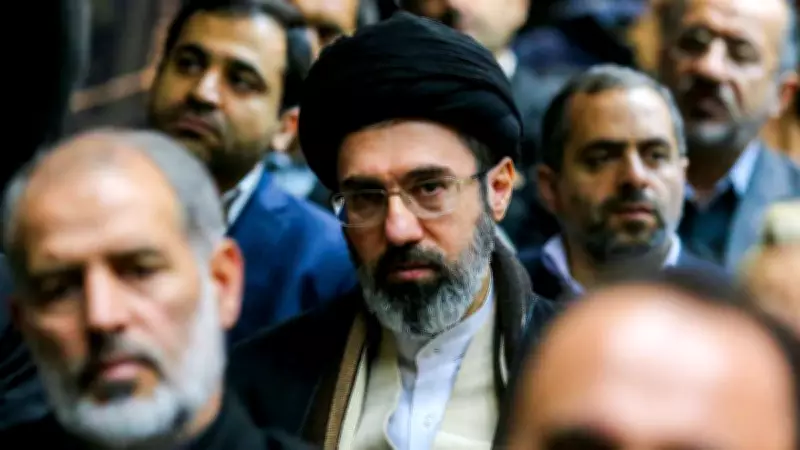
Iran's Supreme Leader Issues Stark Warning Following US Ceasefire Agreement
In a significant development in Middle Eastern geopolitics, Iran and the United States have agreed to a two-week ceasefire, effective immediately. However, the announcement was swiftly tempered by a grave warning from Iran's Supreme Leader, Mojtaba Khamenei, who emphasized that this temporary halt in hostilities does not signify the conclusion of the ongoing conflict between the two nations.
Details of the Ceasefire Agreement
The ceasefire, brokered through diplomatic channels, aims to de-escalate tensions that have been simmering for months. It includes provisions for a cessation of all military actions, including airstrikes and naval maneuvers, in designated conflict zones. Both sides have committed to refraining from any aggressive posturing during this period, with international observers monitoring compliance to ensure adherence to the terms.
This agreement comes after a series of intense negotiations, facilitated by neutral third-party mediators, who have been working tirelessly to prevent a full-scale escalation. The two-week timeframe is seen as a critical window for further dialogue, potentially paving the way for more permanent peace talks. Analysts suggest that this pause could allow for humanitarian aid to reach affected regions and provide a much-needed respite for civilian populations caught in the crossfire.

Khamenei's Defiant Statement
Despite the diplomatic breakthrough, Supreme Leader Mojtaba Khamenei delivered a resolute message, stating unequivocally, "This is not the end of the war." His remarks were broadcast across state media, underscoring Iran's stance that the ceasefire is merely a tactical pause rather than a step toward lasting peace. Khamenei reiterated Iran's commitment to defending its sovereignty and regional interests, warning that any perceived threats would be met with a firm response.
Khamenei's statement has been interpreted as a signal to both domestic and international audiences that Iran remains prepared for continued confrontation if necessary. He emphasized that the nation's military capabilities and strategic readiness are at an all-time high, urging citizens to remain vigilant and supportive of the government's policies. This rhetoric aligns with Iran's long-standing position of resistance against external pressures, particularly from Western powers like the United States.
Regional and Global Implications
The ceasefire and Khamenei's subsequent warning have far-reaching implications for the Middle East and beyond. Regional allies and adversaries are closely watching the situation, as any shift in Iran-US relations could destabilize an already volatile area. Key stakeholders, including neighboring countries and global powers, have expressed cautious optimism about the ceasefire but remain concerned about the underlying tensions that persist.
Experts highlight that this development could influence oil markets, diplomatic alliances, and security dynamics across the region. The two-week period is expected to be a litmus test for future negotiations, with success hinging on mutual trust and concrete actions from both sides. If the ceasefire holds, it might open doors for broader discussions on nuclear proliferation, sanctions, and regional stability. However, failure could lead to a rapid resumption of hostilities, potentially escalating into a larger conflict.
Historical Context and Future Outlook
This ceasefire marks a notable moment in the protracted history of Iran-US tensions, which have been characterized by periods of confrontation and brief diplomatic engagements. Past agreements have often been fragile, with both nations accusing each other of bad faith and violations. The current situation is reminiscent of previous standoffs, where temporary truces were followed by renewed aggression.
Looking ahead, the international community is calling for sustained dialogue and confidence-building measures to prevent a relapse into violence. The next two weeks will be critical in determining whether this ceasefire can evolve into a more durable peace framework. As Khamenei's warning echoes, the world watches with bated breath, hoping that diplomacy can prevail over discord in this high-stakes geopolitical chess game.






