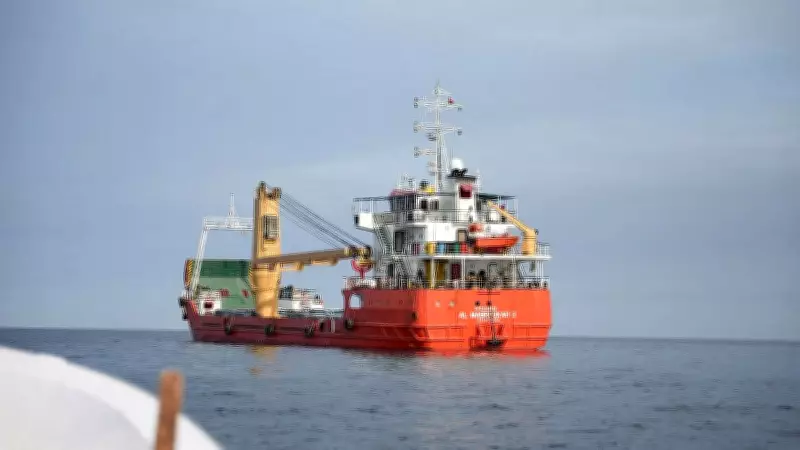
The Strait of Hormuz, already a critical chokepoint for global oil shipments, is also a vital artery for the world's digital communications. A conflict involving Iran could threaten the submarine cables that traverse this narrow waterway, potentially disrupting internet connectivity across continents.
The Digital Chokepoint
Submarine cables are the backbone of the global internet, carrying over 95% of international data traffic. Several major cable systems pass through the Strait of Hormuz, connecting the Middle East, Africa, and Asia to Europe and the Americas. Any disruption in this region could have severe consequences for global communications.
Current Cable Fault Trends
According to the International Cable Protection Committee (ICPC), the total length of submarine cables has grown considerably between 2014 and 2025. However, the number of cable faults has remained stable at around 150 to 200 incidents per year. This stability is due to improved cable routing, better protection measures, and more efficient repair operations.

Threats in Wartime
In the event of a war involving Iran, the Strait of Hormuz could become a hazardous environment for subsea cables. Potential threats include:
- Physical damage: Military activities such as ship movements, anchoring, and the use of underwater explosives could directly damage cables.
- Sabotage: Deliberate cutting or tampering with cables by state or non-state actors could disrupt data flows.
- Collateral damage: Mines, torpedoes, or other weapons could inadvertently strike cable routes.
Global Impact
Damage to cables in the Strait of Hormuz would not only affect regional connectivity but also have global repercussions. Internet traffic between Asia and Europe, for instance, could be rerouted, leading to increased latency and potential congestion on alternative routes. Financial markets, cloud services, and communication networks that rely on real-time data could experience significant disruptions.
Mitigation Measures
Cable operators and governments are aware of these risks and have taken steps to mitigate them. These include:
- Diverse routing: New cables are being laid through alternative corridors, such as the Red Sea and the Mediterranean, to reduce dependence on the Strait of Hormuz.
- Protection agreements: International treaties and agreements aim to protect submarine cables during armed conflicts, though their enforcement is uncertain.
- Rapid repair capabilities: Cable repair ships are pre-positioned in strategic locations to quickly respond to faults.
Despite these measures, the vulnerability of the Strait of Hormuz as a digital chokepoint remains a pressing concern. As global dependence on the internet grows, the security of submarine cables becomes increasingly critical.
This article is based on a Reuters report published on April 28, 2026.