

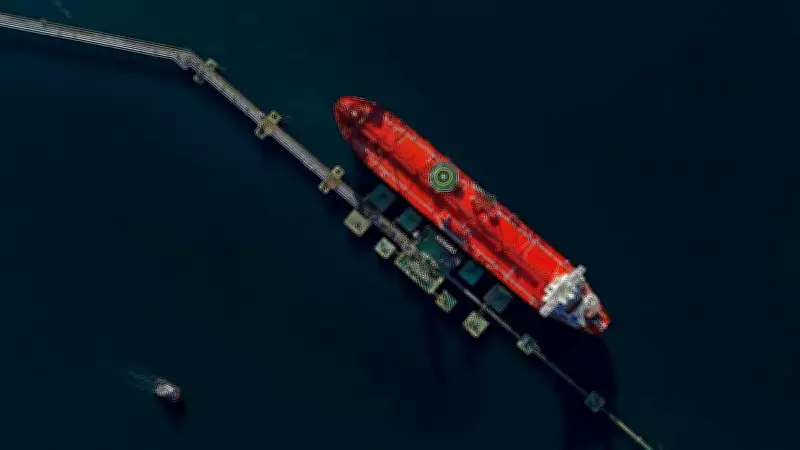
The ongoing conflict involving Iran has triggered one of the most severe oil and gas supply disruptions in modern history, with the International Energy Agency (IEA) estimating a peak supply loss of more than 12 million barrels per day earlier this month. This figure surpasses many previous crises, raising concerns about global energy security and economic stability.
Scale of the Current Disruption
The IEA's assessment highlights that the current supply loss is unprecedented in both magnitude and speed. The disruption stems from military actions affecting production facilities and shipping routes, particularly the Strait of Hormuz, a critical chokepoint for approximately 20% of global oil transit. The 12 million barrels per day loss represents roughly 12% of global oil supply, a level not seen since the 1990 Gulf War.
Comparison with Historical Crises
To understand the severity, it is useful to compare with past disruptions:

- 1973 Arab Oil Embargo: The embargo by OAPEC resulted in a loss of about 4-5 million barrels per day, causing a 300% increase in oil prices. The current disruption is nearly three times larger in volume.
- 1979 Iranian Revolution: The fall of the Shah led to a loss of 4-5 million barrels per day, with prices doubling. The current crisis exceeds this by a factor of 2.5.
- 1990 Gulf War: Iraq's invasion of Kuwait removed about 4.3 million barrels per day from the market. The current loss is nearly three times that amount.
- 2003 Iraq War: Short-term losses were around 2.5 million barrels per day, with prices rising moderately. The current crisis dwarfs that event.
- 2019 Abqaiq-Khurais Attack: A drone strike on Saudi facilities temporarily cut 5.7 million barrels per day, but recovery was swift. The Iran conflict is more prolonged and larger.
Impact on Energy Markets
The supply shock has sent oil prices soaring, with Brent crude exceeding $150 per barrel for the first time. Natural gas prices have also spiked, particularly in Europe and Asia, as Iran is a major gas producer. The IEA has warned of potential recessions in importing nations and has urged coordinated releases from strategic reserves. However, the scale of the loss may overwhelm such measures.
Geopolitical and Economic Ramifications
The disruption has exacerbated inflationary pressures globally, with energy costs driving up food and transportation prices. Developing nations face acute shortages, while major economies are considering rationing. The conflict has also heightened tensions in the Middle East, with potential spillover effects on other producers. Diplomatic efforts to de-escalate have so far been unsuccessful.
In conclusion, the Iran war oil and gas supply shock is historically unparalleled in its scale, surpassing previous disruptions by a wide margin. The world faces a prolonged period of high energy prices and economic uncertainty, with no immediate resolution in sight.






