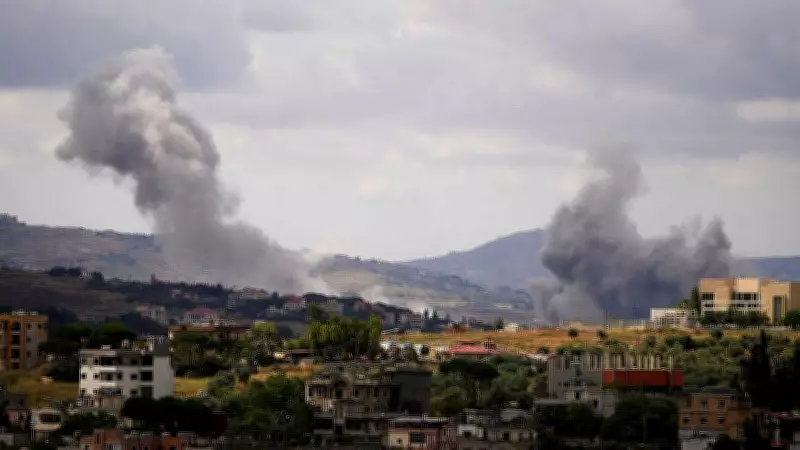
Iranian military official Mohammad Jafar Assadi has stated that Israel's attack on Lebanon will not go unanswered. The comments follow Israeli strikes on Beirut's southern suburbs, which Israel said targeted Iran's Lebanese ally Hezbollah. Assadi's remarks underscore the escalating tensions in the region, as Iran reaffirms its commitment to supporting its allies against Israeli actions. The strikes have raised concerns about a broader conflict, with both sides exchanging threats. The international community is closely monitoring the situation, urging restraint to prevent further escalation.
Background of the Conflict
The recent Israeli airstrikes on Beirut's southern suburbs mark a significant escalation in the ongoing hostilities between Israel and Iran-backed Hezbollah. Israel has repeatedly targeted Hezbollah positions in Lebanon, citing the group's growing arsenal and threats to Israeli security. Iran, a key supporter of Hezbollah, has consistently condemned Israeli operations and pledged to defend its allies. Assadi's warning signals that Iran may consider direct retaliation, potentially widening the conflict.
Regional Implications
The standoff between Iran and Israel has broader implications for the Middle East. Hezbollah, a powerful militant group and political party in Lebanon, has been a focal point of tensions. The strikes on Beirut have drawn international condemnation and calls for de-escalation. Analysts warn that any miscalculation could lead to a full-scale war, drawing in other regional actors. The United Nations and various countries have urged both sides to exercise restraint and return to diplomatic channels.

As the situation develops, the world watches for further statements from Iranian and Israeli officials. Assadi's declaration that the attack will not go unanswered suggests that Iran may be preparing a response, although the nature and timing remain unclear. The coming days will be critical in determining whether the conflict remains contained or spirals into a broader regional crisis.