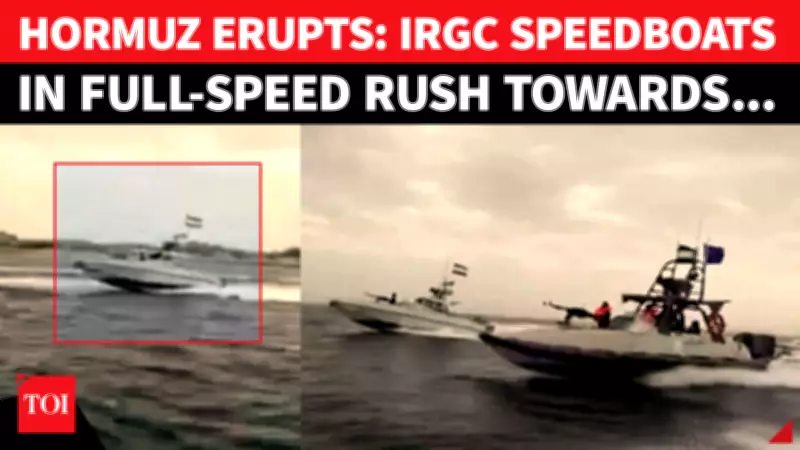
The Strait of Hormuz, the world's most critical oil chokepoint, is once again at the center of rising tensions in the Middle East. Iranian state television on Monday released new footage showing Islamic Revolutionary Guard Corps (IRGC) Navy fast-attack boats conducting patrols through the strategic waterway. Tehran stated that the operations were carried out around the clock to monitor maritime traffic and enforce its warnings.
Iran's Chokehold on the Strait
Iran has maintained its chokehold on the strait, even reportedly collecting toll payments from vessels to pass through the waterway. This development marks a significant escalation in the region, as the Strait of Hormuz handles about 20% of the world's oil supply. The IRGC's intensified patrols are seen as a move to assert control and deter any foreign interference.
Regional and Global Implications
The tightening of control has raised alarms globally, with major oil-consuming nations concerned about potential disruptions to supply. The United States and its allies have previously conducted naval exercises in the region to ensure freedom of navigation. However, Iran's latest actions suggest a more aggressive posture, potentially leading to further confrontations.

Analysts warn that any blockage or significant delay in oil shipments through the strait could spike global oil prices and exacerbate economic uncertainties. The situation remains fluid, with diplomatic efforts underway to de-escalate tensions, though no concrete agreements have been reached.
In related developments, the IRGC has also been involved in other regional incidents, including the reported downing of a US drone and clashes with foreign vessels. These events underscore the volatile nature of the Persian Gulf and the strategic importance of the Strait of Hormuz.