

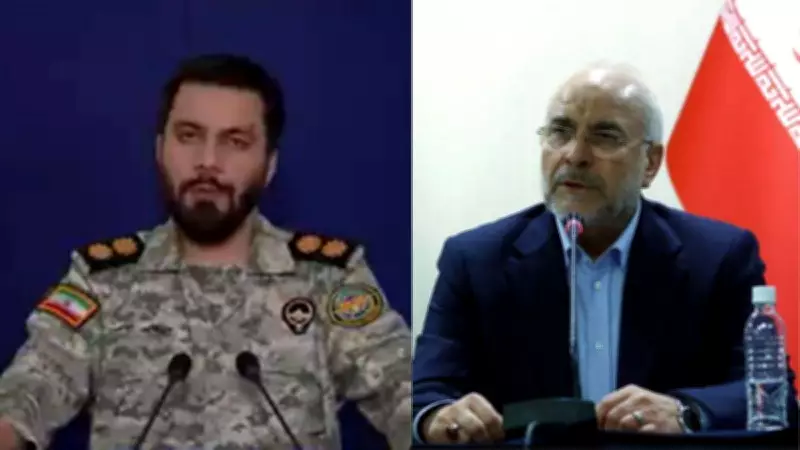
Iran Issues Fiery Threat Amid Trump's Ground Invasion Considerations
In a dramatic escalation of tensions in the Middle East, Iran has issued a fiery threat directed at the United States as former President Donald Trump weighs the possibility of a ground invasion. This development comes amid reports of US troops being deployed to the region, signaling a potential military confrontation that could have far-reaching implications for global stability.
Trump's Contemplation of Ground Invasion Sparks Regional Alarm
Former President Donald Trump, known for his aggressive foreign policy stance during his tenure, is reportedly considering a ground invasion of Iran as part of his strategic evaluations. This move has sent shockwaves through international diplomatic circles, with analysts warning that such an action could trigger a full-scale conflict in an already volatile region. Trump's deliberations are said to be influenced by ongoing geopolitical assessments and intelligence reports highlighting Iran's military capabilities and regional influence.
The potential invasion is being framed as a preemptive measure to curb Iran's nuclear ambitions and support for proxy groups across the Middle East. However, critics argue that this approach risks destabilizing the area further and could lead to significant casualties on both sides. The US military has been on high alert, with troop movements observed in neighboring countries as part of contingency planning.

Iran's Fiery Response and Military Posturing
In response to the news of Trump's considerations, Iranian officials have issued a fiery threat, vowing to retaliate with full force if any ground invasion is launched. The Iranian government has condemned the US for what it describes as "provocative actions" and has called for international intervention to prevent an escalation. Iran's military commanders have been quoted as saying that they are prepared to defend their sovereignty at all costs, with recent drills showcasing their readiness for potential conflict.
Iran's threat includes warnings of targeting US interests in the region and leveraging its network of allied militias to counter any offensive. This stance underscores the deep-seated animosity between the two nations, which has been exacerbated by years of sanctions and diplomatic standoffs. The situation is further complicated by Iran's ongoing nuclear program, which remains a point of contention in international negotiations.
Deployment of US Troops and Regional Implications
Amid these tensions, US troops have been deployed to strategic locations in the Middle East, according to military sources. This deployment is seen as a precautionary measure to bolster regional allies and deter Iranian aggression. The presence of American forces adds a layer of complexity to the crisis, as it raises the stakes for any potential military engagement.
- The troop movements include reinforcements to bases in countries like Iraq and Saudi Arabia, where US forces have maintained a presence for years.
- Regional allies, including Israel and Gulf states, are closely monitoring the situation, with some expressing support for a firm stance against Iran.
- International observers fear that a miscalculation could lead to a broader conflict, affecting global oil supplies and economic stability.
As the world watches, the possibility of a ground invasion remains uncertain, but the rhetoric from both sides suggests that the risk of confrontation is higher than it has been in recent years. Diplomatic efforts are underway to de-escalate the situation, but with hardline positions on both ends, finding a peaceful resolution may prove challenging.






