

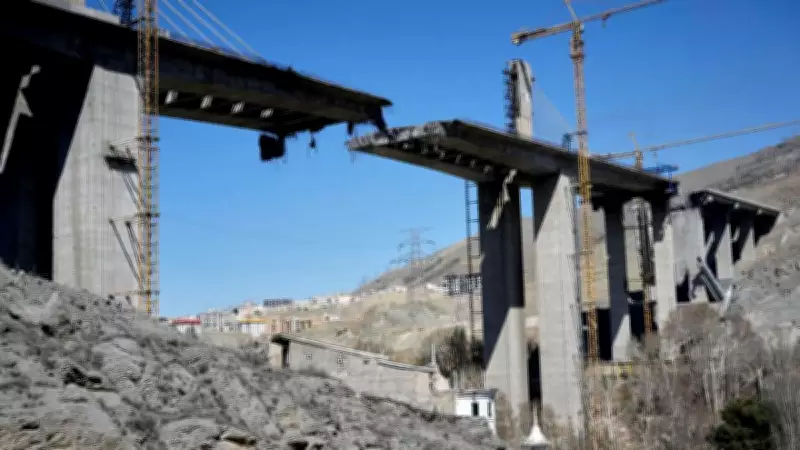
Iran Identifies Eight Gulf Bridges as Retaliatory Targets Following US Attack
In a significant escalation of tensions in the Middle East, Iran has officially named eight strategic bridges located across the Gulf region as potential targets for military retaliation. This decisive move comes directly in response to a recent United States military operation that resulted in the destruction of Iran's largest and most vital bridge. The announcement, made by Iranian military officials, underscores a sharp intensification in the ongoing geopolitical conflict between Tehran and Washington, raising grave concerns about regional stability and the security of critical infrastructure.
Background: The Destruction of Iran's Key Bridge
The catalyst for this aggressive posture was a targeted strike by US forces earlier this week, which completely demolished Iran's biggest bridge. This bridge served as a crucial logistical and economic artery for the nation, facilitating the transport of goods, military equipment, and personnel. The US operation, described by Pentagon officials as a necessary measure to disrupt Iranian military supply lines, has been condemned by Tehran as an act of unprovoked aggression and a blatant violation of its sovereignty.
The Eight Bridges on Iran's Hit List
Iranian authorities have released a detailed list of the eight bridges now marked for potential retaliation. These structures are strategically positioned in the Gulf, a region of immense economic and military importance due to its oil shipping lanes and proximity to key US allies.

- Strategic Importance: Each bridge is a critical node for transportation and commerce in its respective country.
- Military Value: Several of the bridges are believed to support military logistics for nations allied with the United States.
- Economic Impact: Their destruction could severely disrupt regional trade and energy exports.
While the specific names and locations of the bridges have not been publicly disclosed by Iran for operational security reasons, regional analysts suggest they likely include major crossings in countries such as Saudi Arabia, the United Arab Emirates, Qatar, and Bahrain. These nations host significant US military bases and are pivotal partners in Washington's security architecture for the Gulf.
Geopolitical Implications and Regional Reactions
This development marks a dangerous new phase in the Iran-US confrontation. By explicitly threatening civilian and economic infrastructure, Iran is signaling a willingness to expand the conflict beyond direct military engagements.
- Escalation Risk: The targeting of bridges represents a significant escalation, potentially drawing other Gulf states directly into the conflict.
- International Condemnation: The United States and its allies have swiftly condemned Iran's threats, labeling them as reckless and a threat to international peace.
- Diplomatic Fallout: The situation has complicated ongoing diplomatic efforts, with calls for de-escalation from the United Nations and European powers.
Regional powers are on high alert, with several Gulf Cooperation Council (GCC) member states reportedly enhancing security around their critical infrastructure. The potential for miscalculation or a preemptive strike has increased dramatically, analysts warn.
Analysis: A Shift in Iranian Strategy
Security experts interpret Iran's move as a calculated shift in strategy. Unable to match US conventional military power directly, Tehran appears to be adopting an asymmetric warfare approach.
"By targeting economic chokepoints like bridges, Iran aims to inflict disproportionate economic pain and demonstrate its capability to retaliate across the region," explained a Middle East security analyst. "This is a message of deterrence, but it also significantly raises the stakes for everyone involved."
The destruction of its own bridge has provided Iran with a powerful propaganda tool domestically, rallying public support for a strong response against what it frames as American imperialism.

Conclusion: A Precarious Standoff
The naming of eight Gulf bridges as targets by Iran has injected a new and volatile element into the already tense standoff with the United States. The situation remains fluid and highly unpredictable. The international community is urging restraint, but with both sides demonstrating a firm resolve, the risk of a broader regional conflict involving critical infrastructure attacks is now palpably higher. The coming days will be crucial in determining whether this threat translates into action or becomes a bargaining chip in a tense diplomatic standoff.





