

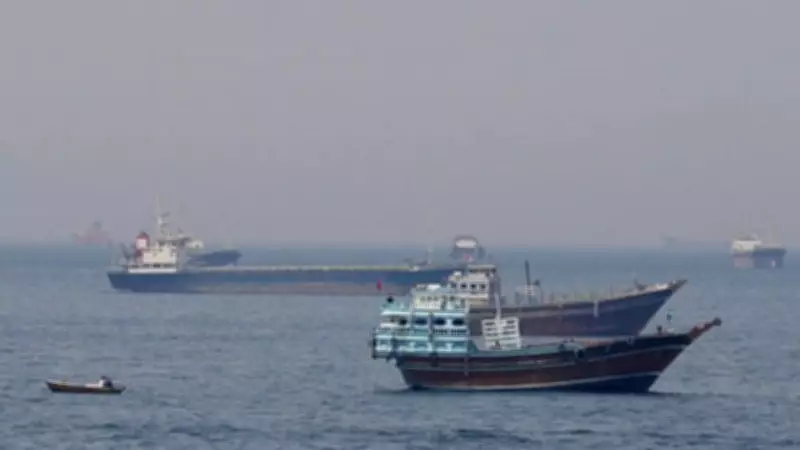
Iranian Forces Seize Two Vessels in Strait of Hormuz, Raising Global Concerns
In a significant escalation of maritime tensions in the Middle East, Iranian authorities have seized two ships that were attempting to cross the strategically vital Strait of Hormuz. This action underscores the ongoing volatility in a region that serves as a crucial artery for global oil shipments, with approximately one-fifth of the world's oil supply passing through this narrow waterway.
Details of the Seizure and Regional Implications
The seizure occurred as the vessels were navigating the strait, a chokepoint bordered by Iran and Oman that connects the Persian Gulf to the Gulf of Oman and the wider Indian Ocean. Iranian forces, citing unspecified violations of maritime regulations, detained the ships and their crews. While the exact nationalities of the vessels and the nature of the alleged infractions have not been fully disclosed, this move is seen as part of a broader pattern of Iranian assertiveness in regional waters.
This incident comes at a time of heightened geopolitical friction in the Middle East, with ongoing conflicts, diplomatic standoffs, and concerns over energy security. The Strait of Hormuz is not only economically critical but also a flashpoint for international disputes, often involving naval confrontations and seizures. Iran has previously used control over this strait as leverage in regional and global negotiations, particularly in relation to its nuclear program and sanctions.

Global Reactions and Economic Impact
The seizure has prompted immediate reactions from international observers and stakeholders in the global energy market. Any disruption in the Strait of Hormuz can lead to spikes in oil prices and increased insurance costs for shipping, affecting economies worldwide. Maritime security experts warn that such incidents could escalate into broader conflicts if not managed diplomatically.
Analysts note that Iran's actions may be aimed at demonstrating its military capabilities and influence in the region, especially amid ongoing tensions with Western powers and neighboring Gulf states. The international community, including organizations like the United Nations, often monitors such events closely to prevent further destabilization.Historical Context and Future Outlook
This is not the first time Iran has seized ships in the Strait of Hormuz. Similar incidents have occurred in the past, often linked to political or economic disputes. For example, in previous years, Iran has detained vessels over allegations of smuggling, environmental violations, or as retaliatory measures in international conflicts.
- The strategic importance of the strait makes it a focal point for naval patrols and security agreements among global powers.
- Iran's control over these waters is a key element of its regional strategy, influencing trade routes and energy flows.
- Ongoing diplomatic efforts, such as nuclear deal negotiations, can be impacted by such maritime incidents.
Looking ahead, the seizure highlights the need for enhanced international cooperation on maritime security and conflict resolution in the Middle East. As tensions persist, stakeholders are calling for dialogue to prevent further escalations that could threaten global energy supplies and regional stability.






