Iran's Retaliatory Strikes Escalate Regional Tensions
In a significant escalation of hostilities, Iran has launched retaliatory strikes, leading to reported explosions in key Gulf cities, including Dubai, Doha, and Manama. This development marks a dangerous widening of the ongoing conflict in the Middle East, raising immediate concerns about regional stability and international security.
Blasts Rock Major Gulf Hubs
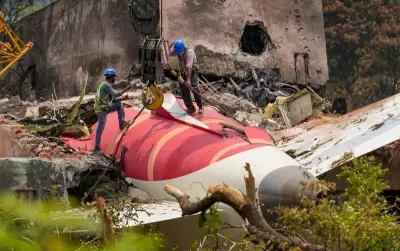
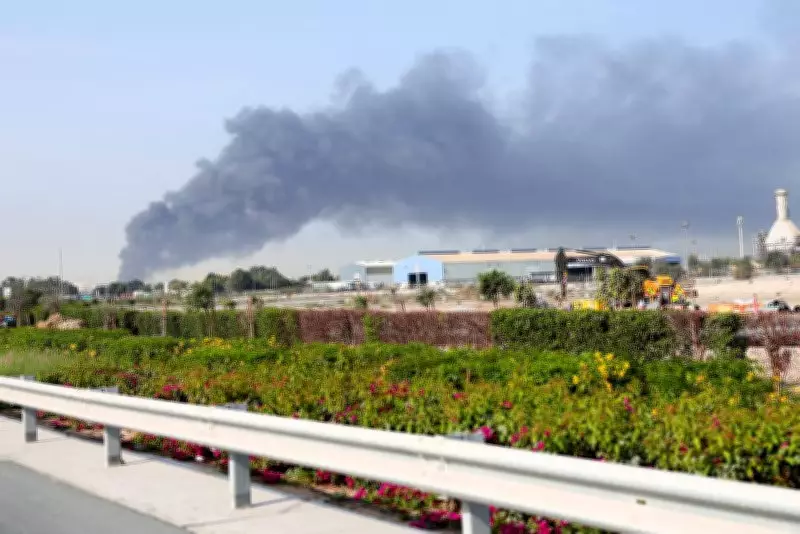
According to initial reports, multiple blasts were heard in Dubai, the bustling commercial center of the United Arab Emirates, as well as in Doha, the capital of Qatar, and Manama, the capital of Bahrain. These cities are critical economic and diplomatic hubs in the Gulf region, making the incidents particularly alarming. Authorities in these nations have yet to release detailed statements, but emergency services have been deployed to assess the situation and ensure public safety.
The explosions are believed to be linked to Iran's retaliation for recent attacks on its interests, which have intensified amid rising geopolitical friction. This retaliation follows a series of provocations and counter-provocations that have characterized the volatile landscape of the Middle East in recent months.

Context of the Widening Conflict
The conflict has its roots in long-standing regional rivalries and proxy wars, with Iran often at odds with neighboring states and global powers. The latest strikes represent a direct response to perceived aggressions, potentially involving drone or missile attacks. Analysts warn that this escalation could draw in other nations and disrupt vital shipping lanes in the Persian Gulf, impacting global oil supplies and trade routes.
International observers are closely monitoring the situation, with calls for de-escalation from various quarters. The United Nations and other diplomatic bodies have urged restraint, emphasizing the need for dialogue to prevent a full-scale war. However, the rapid succession of events suggests that tensions are reaching a boiling point, with no immediate resolution in sight.
Implications for Global Security
The blasts in Dubai, Doha, and Manama underscore the fragility of peace in the region and highlight the interconnected nature of modern conflicts. Key implications include:
- Economic Disruption: The Gulf cities are major financial centers, and any sustained violence could lead to market volatility and affect international investments.
- Humanitarian Concerns: Civilians in affected areas face heightened risks, with potential for casualties and displacement if the conflict intensifies.
- Diplomatic Fallout: Relations between Iran and Gulf Cooperation Council (GCC) countries may further deteriorate, complicating efforts for regional cooperation.
- Global Response: World powers, including the United States and European Union, are likely to reassess their strategies in the Middle East, potentially leading to increased military presence or sanctions.
As the situation unfolds, authorities are advising residents in the impacted cities to remain vigilant and follow official guidelines. The international community watches with apprehension, hoping for a swift de-escalation to avert a broader crisis that could have far-reaching consequences beyond the Middle East.