

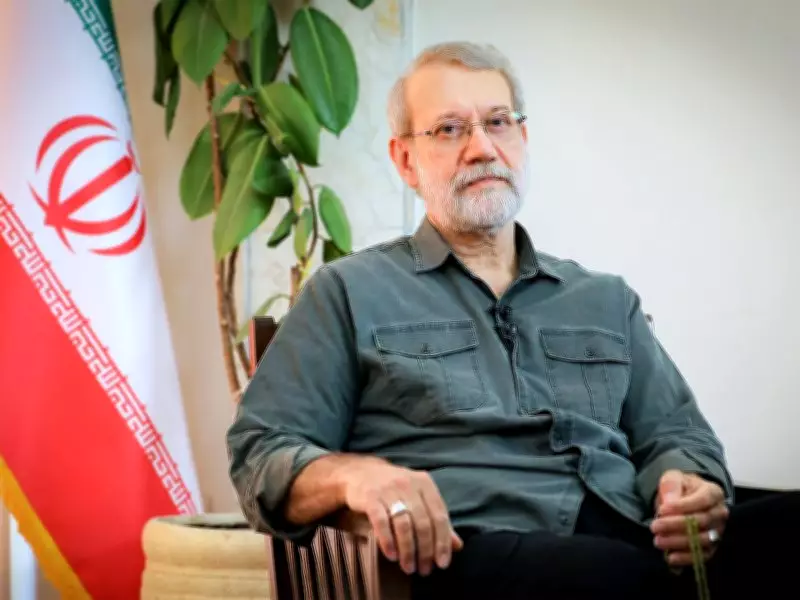
Iranian Official Announces Progress in Structural Arrangements for US Talks
In a significant development amid heightened regional tensions, an Iranian official has confirmed that structural arrangements for negotiations with the United States are progressing. This announcement comes at a critical time, as reports indicate a substantial military buildup, often described as an armada, in the surrounding areas, raising concerns about potential conflicts.
Details on the Negotiation Framework
The official, whose identity has not been disclosed in detail, emphasized that the groundwork for talks is being laid out systematically. Structural arrangements refer to the procedural and logistical frameworks necessary to facilitate diplomatic discussions. These include:
- Establishing communication channels between the two nations.
- Defining the agenda and key issues to be addressed.
- Setting up timelines and meeting protocols to ensure productive dialogue.
This progress suggests a potential thaw in the longstanding tensions between Iran and the US, which have been exacerbated by disagreements over nuclear programs, regional influence, and economic sanctions.

Context of Military Buildup and Regional Tensions
Simultaneously, there has been a notable military buildup in the region, with various forces amassing naval and aerial assets. This buildup, often referred to as an armada, includes:
- Increased patrols and exercises by international navies.
- Deployment of advanced weaponry and surveillance systems.
- Heightened alert levels among neighboring countries.
Such actions underscore the volatile security environment in the Middle East, where incidents could quickly escalate into broader conflicts. The juxtaposition of diplomatic progress with military posturing highlights the complex and delicate nature of international relations in this area.
Implications for Global Diplomacy
The advancement in structural arrangements for US-Iran negotiations could have far-reaching implications:
- Potential for De-escalation: Successful talks might lead to reduced tensions and a decrease in military activities.
- Impact on Regional Stability: Progress in negotiations could influence other conflicts in the Middle East, promoting peace and cooperation.
- Economic Considerations: Resolving disputes may open up opportunities for trade and investment, benefiting both nations and their allies.
However, experts caution that the military buildup serves as a reminder of the high stakes involved. Any breakdown in negotiations could result in increased hostilities, making it crucial for both sides to proceed with caution and commitment.
Looking Ahead
As structural arrangements continue to progress, the international community will be closely monitoring developments. Key factors to watch include:
- The response from the US government and its allies to Iran's announcement.
- Any changes in the military posture of forces in the region.
- Potential involvement of other nations or international organizations in facilitating the talks.
In conclusion, while the Iranian official's report offers a glimmer of hope for diplomatic resolution, the ongoing military buildup underscores the need for swift and effective negotiations to prevent further escalation. The coming weeks will be critical in determining whether these structural arrangements can translate into meaningful dialogue and lasting peace.






