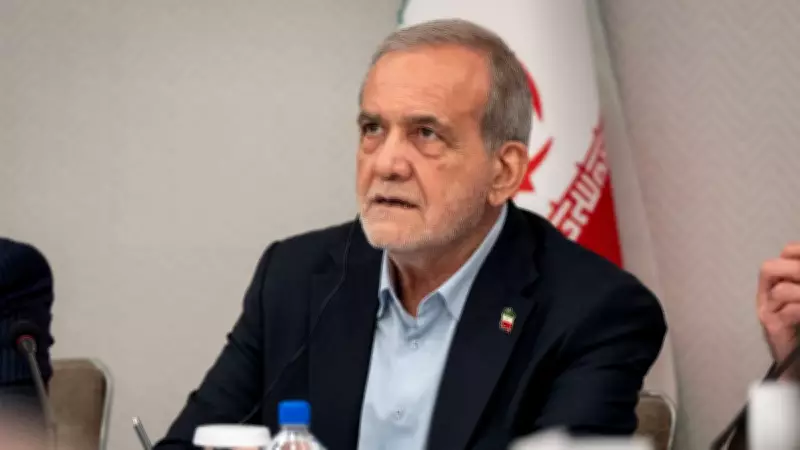
Iranian President Pezeshkian Rebukes US Over Failed Islamabad Negotiations
In a sharp diplomatic critique, Iranian President Masoud Pezeshkian has called on the United States to abandon its totalitarian approach in foreign policy, following the collapse of high-stakes talks in Islamabad. The remarks, delivered in a public address, underscore the deepening rift between Tehran and Washington amid ongoing regional tensions.
Background of the Failed Islamabad Talks
The Islamabad talks, which took place earlier this month, were aimed at addressing key security and economic issues in the Middle East, including nuclear proliferation and trade disputes. However, negotiations broke down without a resolution, with both sides blaming each other for the impasse. Pezeshkian accused the US of employing heavy-handed tactics that stifled meaningful dialogue, labeling it as a manifestation of totalitarianism in international relations.
According to sources, the discussions involved delegations from Iran, the US, and other regional stakeholders, but failed to produce any concrete agreements. The failure has raised concerns about escalating conflicts and economic instability in the area, with analysts warning of potential repercussions for global diplomacy.

Pezeshkian's Call for Policy Change
President Pezeshkian emphasized that the US must shift away from coercive strategies and embrace a more collaborative framework. He argued that totalitarian methods, such as sanctions and military threats, have proven ineffective and only exacerbate tensions. Instead, he advocated for:
- Respect for national sovereignty and non-interference in internal affairs.
- Dialogue-based solutions to regional conflicts.
- Economic cooperation to foster mutual growth and stability.
This stance aligns with Iran's long-standing criticism of US foreign policy, particularly under recent administrations. Pezeshkian's comments come at a time when Iran is seeking to strengthen its diplomatic ties with other nations, including China and Russia, to counter US influence.
Implications for Middle East Diplomacy
The failed Islamabad talks and Pezeshkian's rebuke highlight the persistent challenges in Middle East diplomacy. Key issues at stake include:
- Nuclear disarmament and compliance with international agreements.
- Trade and energy security in the region.
- Human rights and governance concerns.
Experts note that without a change in approach, such diplomatic failures could lead to increased militarization and economic sanctions, further destabilizing the area. The US has yet to issue an official response to Pezeshkian's remarks, but previous statements have defended its policies as necessary for global security.
In conclusion, President Pezeshkian's call to abandon totalitarianism serves as a stark reminder of the ideological divides shaping international relations. As both nations navigate these tensions, the path forward remains uncertain, with the potential for either renewed dialogue or heightened confrontation.