

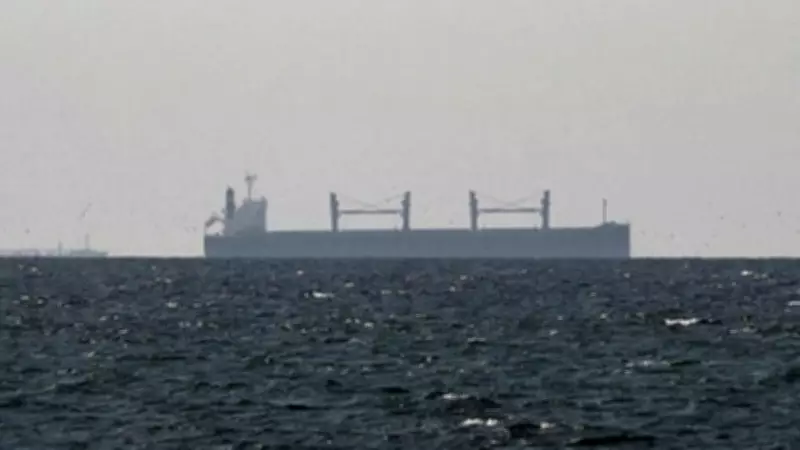
Iran Announces Strait of Hormuz Open for Vessels Until Ceasefire
In a significant development aimed at stabilizing global energy markets, Iran has officially declared that the Strait of Hormuz will remain open for international shipping until a ceasefire is achieved in the ongoing regional conflicts. This announcement comes amid heightened tensions in the Middle East, where the strategic waterway serves as a critical chokepoint for the world's oil supply.
Strategic Importance of the Strait of Hormuz
The Strait of Hormuz is one of the most vital maritime passages globally, connecting the Persian Gulf with the Gulf of Oman and the Arabian Sea. It is estimated that approximately one-fifth of the world's oil supply transits through this narrow strait, making it a focal point for international trade and energy security. Any disruption in this area can lead to significant fluctuations in global oil prices and supply chains.
Iran's decision to keep the strait open underscores its role as a key player in regional maritime affairs. The announcement is seen as a move to alleviate concerns among international shipping companies and oil-importing nations, who have been wary of potential blockades or military escalations that could hinder the flow of goods.

Context of Regional Tensions
This declaration follows a period of escalating conflicts in the Middle East, involving various state and non-state actors. Iran has been involved in several geopolitical disputes, and the Strait of Hormuz has often been at the center of such tensions. In the past, there have been incidents of tanker seizures and naval confrontations, raising fears of a broader conflict that could disrupt global trade.
By announcing the strait's openness until a ceasefire, Iran is signaling a commitment to maintaining maritime stability and preventing further escalation. This move could be interpreted as a diplomatic effort to foster dialogue and reduce hostilities, although it remains contingent on the achievement of a ceasefire agreement.
Implications for Global Economy
The assurance from Iran has immediate implications for the global economy, particularly in terms of oil prices and shipping logistics. Key points include:
- Oil Market Stability: With the strait open, oil-producing nations in the Gulf can continue exporting without interruption, helping to stabilize prices and ensure a steady supply to markets worldwide.
- Shipping Industry Relief: International shipping companies can operate with reduced risk, avoiding costly reroutes or delays that could impact global trade flows.
- Geopolitical Dynamics: This announcement may influence diplomatic relations, as other nations assess Iran's intentions and the broader security environment in the region.
However, experts caution that the situation remains fluid. The condition of "until a ceasefire" means that the strait's status could change if conflicts persist or intensify. Stakeholders are advised to monitor developments closely and prepare for potential contingencies.
Looking Ahead
As the international community watches, the focus now shifts to ceasefire negotiations and regional diplomacy. Iran's announcement is a positive step toward de-escalation, but its long-term effectiveness will depend on broader peace efforts and cooperation among Middle Eastern nations.
In summary, Iran's decision to keep the Strait of Hormuz open for vessels until a ceasefire is a crucial move for global energy security and maritime trade. It highlights the interconnectedness of regional conflicts and international economics, emphasizing the need for sustained dialogue and conflict resolution in the Middle East.






