

Iran's Strategic Oil Advantage in Wartime: Profits Soar with Hormuz Control
Amid escalating regional tensions and rising global oil prices, Iran is capitalizing on its unique geographic position to bolster its economy. According to a Bloomberg report citing data from TankerTrackers.com, Tehran has seen a significant increase in daily revenue from oil sales, reaching approximately $139 million per day in March, up from around $115 million per day in February. This surge comes as Iran remains the sole nation controlling transit through the critical Strait of Hormuz, a vital chokepoint for global oil shipments.
Exports Hold Steady Despite Conflict Pressures
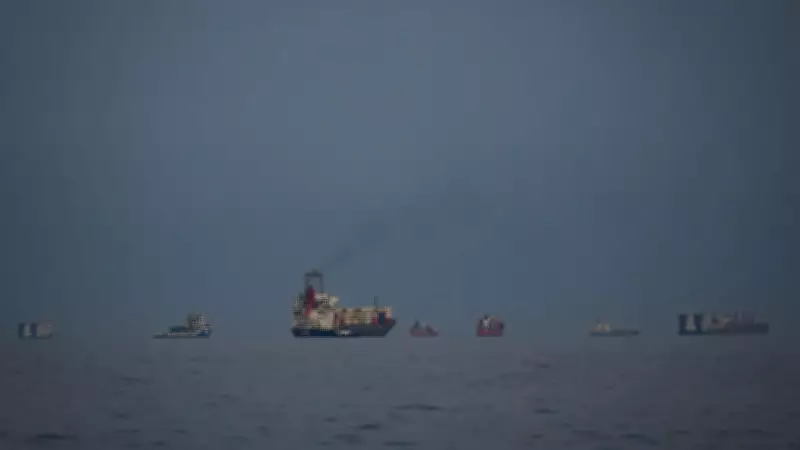
Despite continuous military strikes by the United States and Israel targeting Iranian military sites, the country's crude oil exports have remarkably stayed consistent with prewar levels. Estimates indicate that Iran is exporting about 1.6 million barrels per day this month, mirroring figures from before the conflict began. Tankers continue to load at the Kharg Island terminal and navigate the Strait of Hormuz, with activity notably intensifying in recent days.
Iran has implemented a blockade on ships destined for aggressor nations via the Hormuz Strait, further tightening its grip on regional maritime traffic. This move underscores Tehran's leverage in the ongoing Middle East conflict, which has already resulted in casualties, including one Indian death and another injury from missile debris in Abu Dhabi.

Narrowing Price Discount and Regional Comparisons
The value of Iranian crude has strengthened relative to the global Brent benchmark, with its discount narrowing to about $2.10 per barrel at the start of this week. This represents the tightest gap in nearly a year, a stark contrast to the pre-conflict period when the discount exceeded $10 per barrel. While neighboring countries like Iraq and Kuwait have been forced to sharply reduce output, and the UAE and Saudi Arabia scramble to find alternative export routes, Iran has maintained steady shipments from the Persian Gulf.
Between March 1 and 23, Iran exported an average of 1.6 million barrels per day, near prewar levels, following unusually high shipments in February that were the strongest since around July 2018. Oil facilities at Iran's key export hub on Kharg Island have remained untouched by US strikes, which have focused solely on military targets, even as former US President Donald Trump had previously indicated intentions to attack the island during the initial days of the war.
Diplomatic Maneuvers and Warnings
Iran has issued stern warnings to the US and Israel, threatening that the Strait of Hormuz would be "completely shut" if its energy infrastructure is targeted. In a related development, Trump announced a pause on attacks against Iran's energy infrastructure until April 6, 2026, citing ongoing negotiations. He stated, "As per Iranian Government request, please let this statement serve to represent that I am pausing the period of Energy Plant destruction by 10 Days to Monday, April 6, 2026, at 8 P.M., Eastern Time. Talks are ongoing and, despite erroneous statements to the contrary by the Fake News Media, and others, they are going very well."
This diplomatic pause adds a layer of complexity to the conflict, as Iran continues to profit from oil sales while navigating geopolitical pressures. The situation highlights Tehran's dual benefit: generating increased revenue from higher oil prices and exerting control over a crucial global transit route, all amidst a volatile regional landscape.






