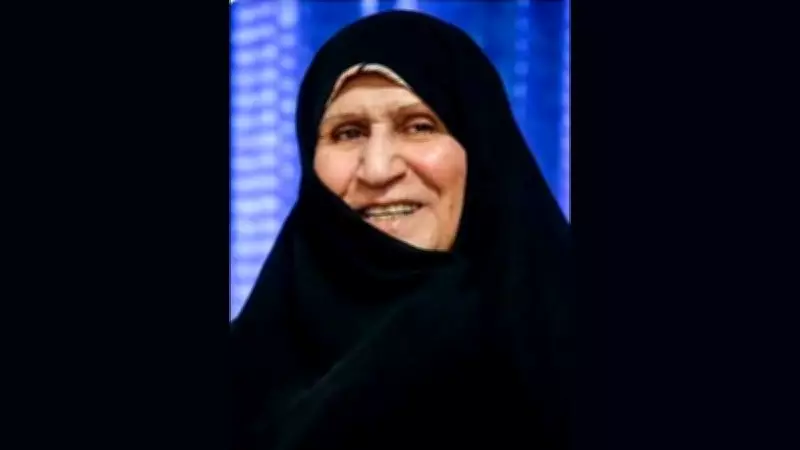
Iranian Media Debunks False Reports of Supreme Leader Khamenei's Wife's Death
In a swift and definitive response, Iranian state media has categorically denied and debunked widespread rumors circulating online regarding the alleged death of Supreme Leader Ayatollah Ali Khamenei's wife, Mansoureh Khojasteh Bagherzadeh. The reports, which had gained traction on various social media platforms and some international outlets, claimed that Bagherzadeh had passed away. However, official Iranian news agencies have confirmed that she is alive and in good health, dismissing the claims as baseless and part of a misinformation campaign.
Official Statements and Media Clarifications
Key Iranian media organizations, including the state-run IRNA news agency, issued statements to refute the death rumors. They emphasized that there is no truth to the allegations and urged the public to rely only on verified sources for information. The media highlighted that such false reports often emerge during periods of political tension or to create unrest, and this instance appears to follow a similar pattern. Authorities have not provided specific details about Bagherzadeh's current whereabouts or activities, but they assured that she is well and continuing her private life away from the public eye.
Background on Mansoureh Khojasteh Bagherzadeh
Mansoureh Khojasteh Bagherzadeh, born in 1949, has been married to Ayatollah Ali Khamenei since 1964. She is known for maintaining a low profile and rarely appears in public or media, which has sometimes led to speculation and rumors about her health and status. As the wife of Iran's Supreme Leader, she holds a significant but largely private role within the country's political and social spheres. Her life has been marked by discretion, with few official details available about her personal affairs or involvement in state matters.

Impact of Misinformation and Regional Context
The spread of false reports about Bagherzadeh's death underscores the broader issue of misinformation in the digital age, particularly in regions like Iran where political dynamics are complex and often volatile. Such rumors can fuel uncertainty and speculation, potentially affecting public sentiment and even international perceptions. In recent years, Iran has faced numerous challenges, including economic sanctions and domestic protests, making the dissemination of accurate information crucial for stability. The quick debunking by Iranian media aims to prevent any unnecessary panic or confusion among the populace.
Conclusion and Key Takeaways
To summarize, the Iranian media has effectively countered false claims about the death of Mansoureh Khojasteh Bagherzadeh, reaffirming her well-being. This incident highlights the importance of verifying news from credible sources, especially in an era where misinformation can spread rapidly. As Iran continues to navigate its internal and external affairs, maintaining transparency and trust in official channels remains vital for national cohesion and international relations.