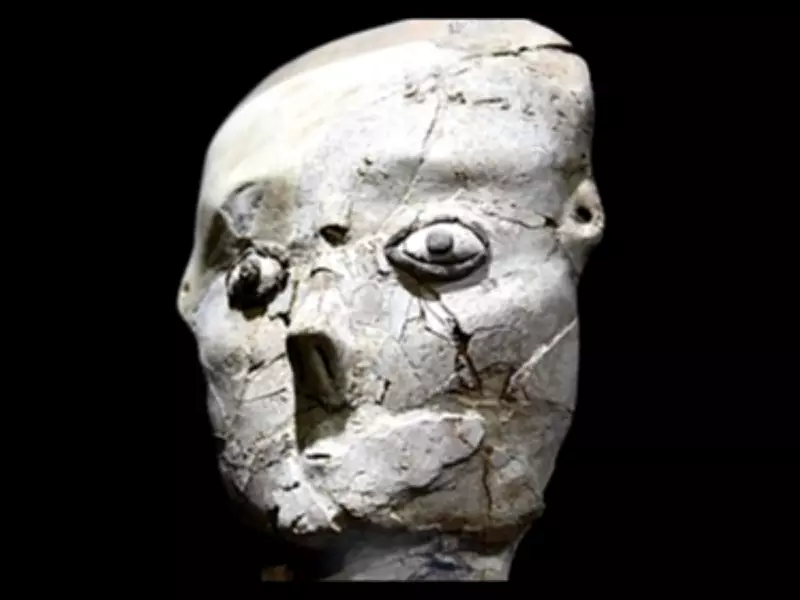
Archaeologists in the Levant have uncovered a 9,000-year-old skull with a plaster cast, offering new insights into how ancient communities remembered their dead. The discovery was made at the Yiftahel site in modern-day Israel, dating to the Pre-Pottery Neolithic B period, approximately 9,000 to 8,500 uncalibrated BP.
Ancient Mortuary Practices
The findings indicate that early farming societies devoted significant time and energy to mortuary procedures. Rather than simply burying their dead, people returned to graves, removed skulls, and reconstructed faces with plaster. This practice was part of a broader regional tradition observed at multiple sites, including Jericho, Beisamoun, 'Ain Ghazal, Kfar Hahoresh, Tell Ramad, and Tell Aswad.
Rebuilding the Appearance of the Deceased
Long before photography and painted portraits, plastering skulls allowed early communities to preserve a physical likeness of the dead. According to a study published in PLOS One, the plastering process at Yiftahel required a deliberate delay between burial and plastering. Researchers suggest this time gap may have shifted focus from the individual to the wider community memory, transforming the skull into a bridge between families and their ancestral roots.

This indicates that early societies did not rely solely on memory; they used physical objects to preserve it, integrating the dead into society. Plastered skulls were often buried in houses, likely representing ancestral cults.
An Adaptable Regimen of Rituals
The manipulation of skulls was widespread across the Levant, with different communities adopting various methods to express sorrow and honor the past. A study of Jericho found some communities used plastered skulls, others plain skulls, and some created cast-in-place statues. Published in Scientific Reports, the study notes that Jericho has the largest number of plastered skulls in the region. These diverse methods were linked to ancestor veneration and memorialization rituals.
The varied burial practices suggest no single rigid formula for religious practice. Instead, the Levant had an evolving ritual system where communities made local decisions. A common thread was the effort to keep the deceased connected to the living group.
How Communities Adapted to Change
Transforming a skull into a sculpted object with facial features required advanced technique and careful planning. Research suggests plaster-modelling techniques evolved alongside these rituals. By remodeling faces, early communities created an image of identity that could outlast the body.
Scholars also argue that skull rituals had practical benefits. Evidence from southern Jordan suggests skull manipulation helped foster social cohesion. As early humans transitioned from nomadic life to established farming communities, they faced significant social shifts. Maintaining ties to the deceased may have helped communities manage the present, determine ancestral or property rights, and strengthen social bonds.
The 9,000-year-old carved skull offers a vivid example of how ancient people preserved memory and adapted to change.