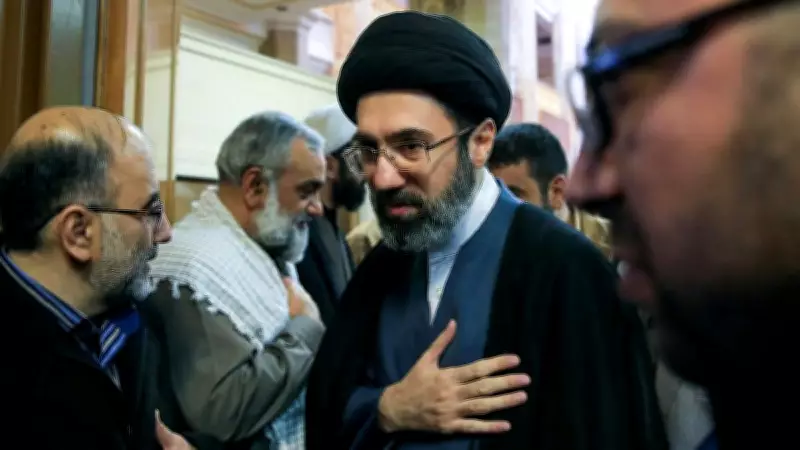
Iranian President's Son Denies Supreme Leader Injury Rumors Amid Regional Tensions
In a significant development from Tehran, Mojtaba Khamenei, the son of Iran's Supreme Leader Ayatollah Ali Khamenei, has publicly dismissed widespread rumors regarding his father's health and alleged injuries. The statement comes amid escalating regional tensions and reports suggesting the Supreme Leader has been avoiding public appearances due to harm sustained during recent military strikes.
Rumors of Injury and Public Absence
Recent unverified reports circulating in international media and on social platforms claimed that Ayatollah Ali Khamenei has been notably absent from public events because he suffered injuries during ongoing strikes conducted by the United States and Israel. These strikes are part of the broader geopolitical conflicts in West Asia, often referred to as the Middle East, which have intensified in recent months.
Mojtaba Khamenei, who is also the son of Iranian President Ebrahim Raisi, categorically rubbished these allegations, emphasizing that his father is in good health and that the rumors are baseless. His comments were made in response to a tweet from the account Rapid Response 47 on March 10, 2026, which had propagated the injury claims, further fueling speculation and concern among observers.

Context of Regional Strikes and Political Dynamics
The backdrop to these rumors involves heightened military activities in the region, with the US and Israel reportedly conducting strikes targeting various assets. Iran has been a central player in these conflicts, often at odds with Western powers and their allies. The timing of the rumors coincides with increased scrutiny on Iran's leadership, particularly as the country navigates complex diplomatic and security challenges.
Analysts note that such rumors can have significant implications for regional stability, as perceptions of leadership vulnerability might influence political maneuvers and public sentiment. The denial from Mojtaba Khamenei aims to project an image of strength and continuity within Iran's ruling establishment, countering any narratives of weakness or instability.
Impact on Public Perception and International Relations
This incident highlights the delicate balance of information and misinformation in global politics, especially in volatile regions like the Middle East. The swift response from the Supreme Leader's family underscores the importance of controlling the narrative around key figures in Iran's hierarchy.
- The denial seeks to reassure both domestic and international audiences about the stability of Iran's leadership.
- It may also serve as a strategic move to deter adversaries from exploiting perceived vulnerabilities.
- Furthermore, this episode reflects the ongoing tensions between Iran and nations like the US and Israel, which have been engaged in proxy conflicts and direct confrontations.
As the situation evolves, observers will be watching for any further developments regarding the Supreme Leader's public appearances and health status, as well as the broader geopolitical ramifications in West Asia.