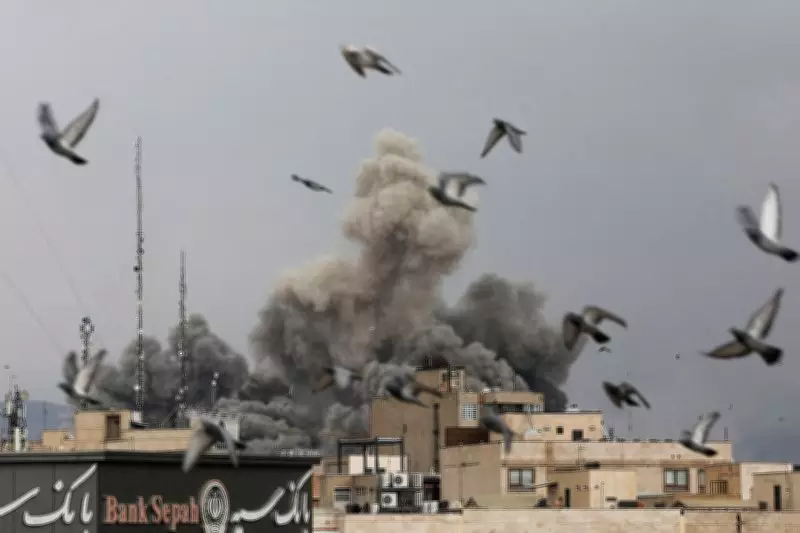
Iran Escalates Regional Tensions with New Attacks
In a significant escalation of hostilities, Iran has launched a series of new attacks targeting Israel and several Gulf nations, intensifying its ongoing confrontation with the United States and heightening fears of a broader regional conflict. This move represents a calculated effort by Tehran to assert its influence and retaliate against perceived threats, further destabilizing an already volatile Middle East.
Targeting Key Allies and Strategic Locations
The attacks, which occurred in recent days, involved missile and drone strikes aimed at Israeli military installations and assets belonging to Gulf nations, including Saudi Arabia and the United Arab Emirates. These actions are seen as a direct response to US military presence and support for Israel in the region, with Iran seeking to demonstrate its capability to strike at will and challenge American hegemony.
Analysts note that this escalation comes amid stalled nuclear talks and increasing economic pressure on Iran, suggesting that Tehran may be using military posturing as leverage in diplomatic negotiations. The timing also coincides with heightened political tensions within Iran, where hardline factions are pushing for a more aggressive foreign policy stance.

International Reactions and Security Concerns
The United States has condemned the attacks, with officials warning of potential retaliatory measures if the aggression continues. Israel has reinforced its defense systems and conducted emergency drills, while Gulf nations have called for international intervention to de-escalate the situation. The global community is closely monitoring developments, concerned that further incidents could spark a wider war involving multiple state and non-state actors.
Security experts highlight the risk of miscalculation, as even limited strikes could provoke disproportionate responses, leading to an uncontrollable spiral of violence. The involvement of proxy groups, such as Hezbollah and Houthi rebels, adds another layer of complexity, potentially drawing in other countries and exacerbating humanitarian crises.
Implications for Regional Stability and Global Politics
This latest round of attacks underscores the fragile state of Middle Eastern geopolitics, where longstanding rivalries and external interventions have created a powder keg scenario. Iran's actions are likely to influence upcoming elections in Israel and shape US foreign policy decisions, particularly regarding sanctions and military aid.
- Increased military deployments by the US and its allies in the Gulf region.
- Potential disruptions to global oil supplies and shipping lanes.
- Heightened scrutiny of Iran's nuclear program by international bodies.
- Growing calls for diplomatic solutions to prevent all-out conflict.
As tensions mount, the world watches anxiously, hoping for de-escalation but preparing for the possibility of further violence. The situation remains fluid, with any misstep capable of triggering a catastrophic chain reaction.