

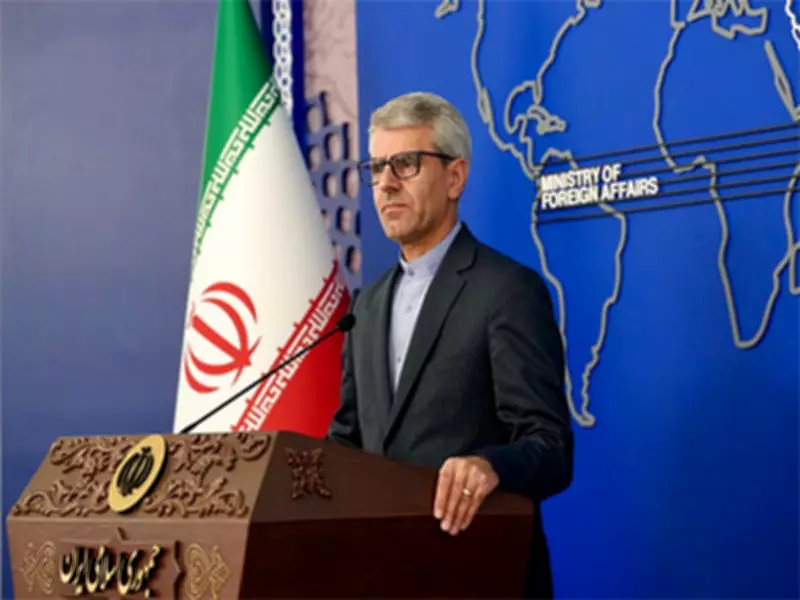
Iran Engages in Sustained Diplomatic Outreach with Lebanon to Secure Ceasefire
In a significant development highlighting regional diplomatic maneuvers, Iran's Foreign Ministry spokesperson has publicly affirmed that the Islamic Republic remains in constant and active communication with Lebanese authorities. The primary objective of this ongoing dialogue, as detailed in reports from Iranian state media, is to ensure the maintenance and reinforcement of ceasefire arrangements in the region.
Ongoing Dialogue for Regional Stability
The spokesperson emphasized that these diplomatic channels are being utilized to foster stability and prevent any escalation of hostilities. This statement underscores Iran's proactive role in Middle Eastern geopolitics, particularly concerning Lebanon, a nation with which Iran has maintained longstanding political and strategic ties, notably through its support for groups like Hezbollah.
The confirmation from Tehran comes at a critical juncture, as various actors in the Middle East navigate complex security challenges. By openly declaring its continuous engagement, Iran aims to position itself as a key mediator committed to de-escalation efforts, potentially influencing broader international perceptions of its foreign policy objectives.

Context and Implications
This announcement follows a period of heightened tensions in the region, where ceasefire violations have occasionally threatened to unravel fragile peace agreements. Iran's stated commitment to dialogue with Lebanon suggests a concerted effort to preempt such breakdowns and promote a more predictable security environment.
The Iranian media's coverage of this diplomatic activity serves not only to inform but also to signal Iran's diplomatic priorities to both domestic and international audiences.Analysts note that such public declarations are often part of larger strategic communications, designed to assert Iran's influence and reassure allies of its support. The focus on ceasefire mechanisms specifically highlights the practical aspects of these discussions, which likely involve coordination on monitoring, compliance, and conflict resolution protocols.
Future Prospects
Looking ahead, the persistence of these talks indicates that Iran views sustained diplomatic engagement as essential for managing regional dynamics. The outcome of these efforts could have significant ramifications for peace and stability in Lebanon and the wider Middle East, affecting millions of lives and the geopolitical balance of power.
In summary, Iran's Foreign Ministry has made it clear that its lines of communication with Lebanon are open and active, with a steadfast focus on cementing ceasefire agreements. This development reaffirms Iran's role as a pivotal player in Middle Eastern diplomacy, continuously working behind the scenes to shape outcomes in line with its strategic interests.






