

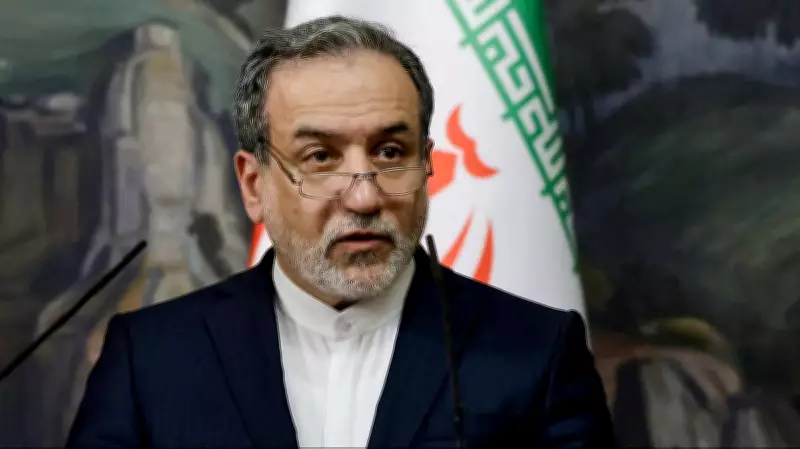
Iran Firmly Declines US Dialogue, Citing Hostile American Policies
In a significant diplomatic statement, Iranian Foreign Minister Abbas Araqchi has unequivocally stated that Tehran currently has no intention of engaging in talks with the United States. This announcement underscores the deep-seated tensions between the two nations, which have been exacerbated by a series of hostile actions and economic sanctions imposed by Washington.
Root Causes of the Diplomatic Impasse
Araqchi attributed Iran's refusal to negotiate directly to what he described as the United States' consistently adversarial approach. He emphasized that American policies, particularly the imposition of stringent sanctions and a general stance of hostility, have created an environment where meaningful dialogue is impossible. The Foreign Minister pointed out that these actions have not only harmed Iran's economy but have also undermined trust and goodwill necessary for productive international relations.
Historical Context and Current Stance

The relationship between Iran and the US has been fraught with conflict for decades, marked by events such as the 1979 Iranian Revolution and subsequent hostage crisis. In recent years, tensions have escalated following the US withdrawal from the 2015 nuclear deal, formally known as the Joint Comprehensive Plan of Action (JCPOA). Since then, the US has reinstated and expanded sanctions, targeting Iran's oil exports, banking sector, and key individuals.
Araqchi's remarks highlight Iran's firm position that it will not enter into negotiations under what it perceives as coercion or pressure. He reiterated that Tehran seeks respect and a change in American behavior as prerequisites for any future diplomatic engagement.
Implications for Regional and Global Diplomacy
This stance has significant implications for Middle Eastern stability and international diplomacy. Iran's refusal to talk with the US could prolong regional conflicts, affect global oil markets, and complicate efforts by other nations to mediate or foster peace. Countries in the region and beyond are closely monitoring the situation, as it impacts security dynamics and economic interests.
Potential Pathways Forward
Despite the current deadlock, Araqchi did not entirely rule out the possibility of future talks, but he made it clear that any such discussions would require a fundamental shift in US policy. This includes lifting sanctions and adopting a more respectful and cooperative approach. The international community, including European allies and regional powers, may play a crucial role in facilitating dialogue if conditions improve.
In summary, Iran's position, as articulated by Foreign Minister Araqchi, reflects a deep-seated frustration with American actions and a demand for substantive changes before any negotiations can occur. This development adds another layer of complexity to the already tense US-Iran relationship, with broader consequences for global politics and security.






