

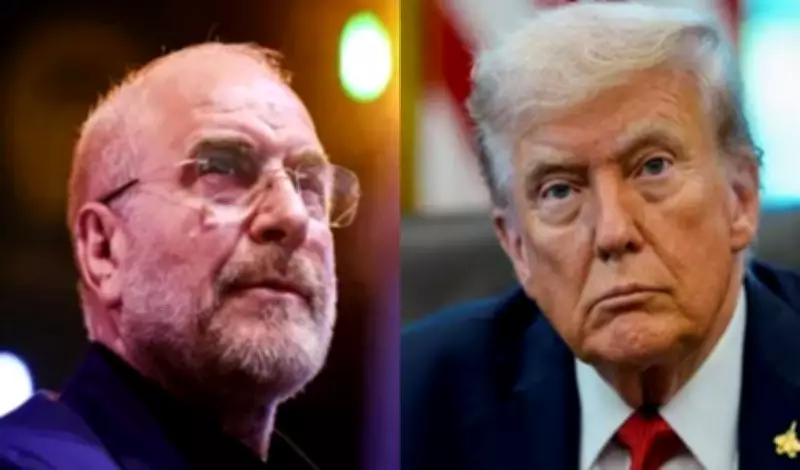
Iran Accuses Trump of '7 Lies in One Hour' and Threatens Hormuz Blockade
In a dramatic escalation of geopolitical tensions, Iran has launched a scathing verbal attack on former United States President Donald Trump, accusing him of spreading falsehoods and threatening to block access to the strategic Strait of Hormuz. The accusations come amid heightened fears of military conflict in the volatile Middle East region.
Iran's Blistering Critique of Trump's Statements
Iranian officials have publicly denounced Trump, claiming he told '7 lies in one hour' during recent remarks. While the specific content of these alleged falsehoods was not detailed in the initial reports, the accusation underscores the deep-seated animosity between Tehran and the former US administration. This verbal barrage is seen as part of Iran's ongoing strategy to counter Western narratives and assert its sovereignty on the global stage.
The timing of these accusations is particularly sensitive, as regional stability hangs in the balance. Iran has historically used such rhetoric to rally domestic support and signal defiance against perceived external threats, especially from the United States and its allies.

Threat to Block the Strait of Hormuz
In a move that could have severe implications for global energy markets, Iran has threatened to block access to the Strait of Hormuz, a critical maritime chokepoint through which approximately one-fifth of the world's oil passes. This threat is not new; Iran has previously hinted at such actions in response to sanctions or military pressures, but the current context of rising war tensions gives it added weight.
The potential closure of the strait could disrupt oil supplies, leading to price spikes and economic instability worldwide. It serves as a stark reminder of Iran's leverage in the region and its willingness to use it as a bargaining chip or deterrent against adversaries.
Escalating War Tensions in the Middle East
The exchange between Iran and Trump occurs against a backdrop of escalating war tensions in the Middle East. Key factors contributing to this volatile situation include:
- Ongoing nuclear negotiations: Stalled talks over Iran's nuclear program have left uncertainties about future diplomatic resolutions.
- Regional proxy conflicts: Iran's involvement in conflicts across the Middle East, such as in Syria and Yemen, continues to fuel tensions with neighboring countries and global powers.
- US-Iran relations: The legacy of Trump's 'maximum pressure' campaign and current US policies under President Joe Biden add layers of complexity to bilateral relations.
These elements combine to create a precarious environment where miscalculations or provocations could quickly spiral into open conflict. The international community is closely monitoring the situation, with calls for de-escalation and dialogue to prevent further deterioration.
Global Implications and Responses
The threats from Iran have prompted reactions from various stakeholders. Regional powers, including Saudi Arabia and Israel, are likely to view Iran's actions with alarm, potentially leading to increased military preparedness. Meanwhile, global powers such as the United States and European nations may reassess their strategies in the region, balancing deterrence with diplomatic engagement.
Experts warn that any move to block the Strait of Hormuz would not only impact oil markets but also risk triggering a broader military confrontation, given the strategic interests of multiple nations in ensuring free navigation. This underscores the interconnected nature of global security and the high stakes involved in Middle Eastern geopolitics.
As tensions simmer, the world watches anxiously, hoping for cooler heads to prevail and for peaceful resolutions to emerge from this latest flare-up between Iran and its critics.






