Post-Ceasefire Tensions Rise as Iran and Trump Vie for Hormuz Strait Control
In a dramatic development following a recent ceasefire agreement, both Iran and former United States President Donald Trump have publicly laid claim to controlling operations in the strategically vital Hormuz Strait. This move has reignited geopolitical tensions in the Middle East, highlighting the ongoing struggle for dominance over one of the world's most crucial maritime chokepoints.
The Strategic Importance of the Hormuz Strait
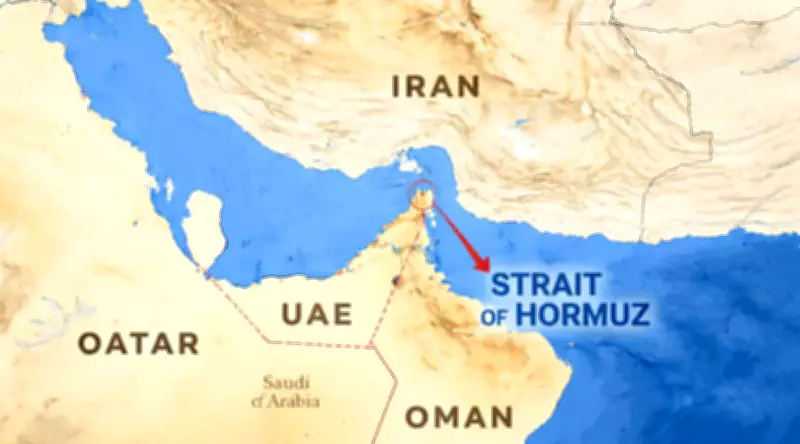
The Hormuz Strait, located between the Persian Gulf and the Gulf of Oman, is a narrow waterway through which approximately one-fifth of the world's oil supply passes daily. Its control is paramount for global energy security and regional influence. Historically, Iran has maintained a strong presence in the area, citing its geographical proximity and sovereignty over adjacent waters.
Iran's Assertion of Authority

Iranian officials have reiterated their stance that the Hormuz Strait falls under their jurisdiction, emphasizing historical and legal claims. They argue that as a coastal state, Iran has the right to regulate maritime activities to ensure security and stability. This position has been a cornerstone of Iran's foreign policy, particularly in response to perceived threats from Western powers.
Trump's Counterclaim and Geopolitical Implications
In a surprising turn, former President Donald Trump has also asserted control over Hormuz Strait operations, leveraging his influence and past policies. Trump's claim is rooted in his administration's efforts to counter Iranian aggression and secure American interests in the region. This dual claim has created a complex diplomatic scenario, with both sides refusing to back down.
Background of the Ceasefire and Its Aftermath
The ceasefire, which preceded these claims, was intended to de-escalate hostilities in the region. However, the subsequent assertions by Iran and Trump have undermined its effectiveness, leading to renewed uncertainty. Analysts suggest that this could signal a return to heightened tensions, impacting global oil markets and international relations.
- Iran's Perspective: Tehran views the strait as an integral part of its territorial waters and has threatened to close it in response to sanctions or military threats.
- Trump's Stance: The former president advocates for a strong US presence to prevent Iranian dominance and ensure free navigation for international trade.
- Global Reactions: Other nations and international bodies are closely monitoring the situation, concerned about potential disruptions to oil shipments and regional stability.
The ongoing dispute underscores the fragile nature of peace in the Middle East and the enduring significance of the Hormuz Strait in global geopolitics. As both Iran and Trump stand firm on their claims, the world watches anxiously, hoping for a resolution that avoids further conflict.