

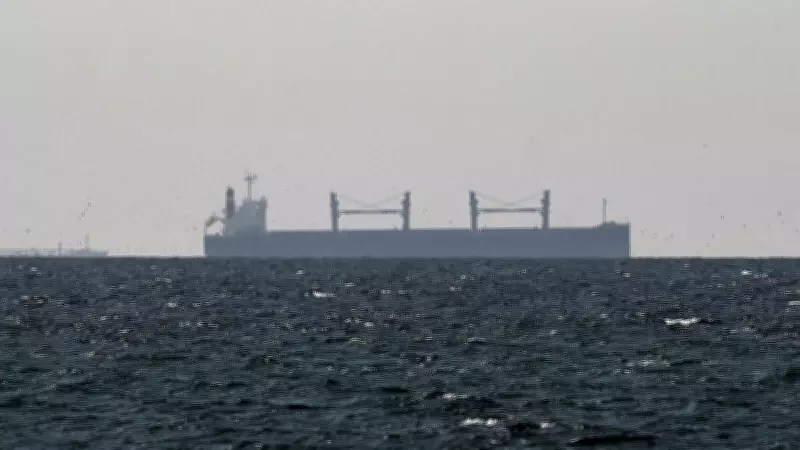
Iran Grants Safe Passage to Six Bangladeshi Fuel Vessels Through Strait of Hormuz
In a notable development in Middle Eastern maritime affairs, Iran has officially allowed six Bangladeshi vessels transporting fuel to navigate safely through the critical Strait of Hormuz. This decision underscores Iran's role in regional security and its diplomatic engagement with Bangladesh, potentially easing tensions in one of the world's most vital shipping lanes.
Details of the Safe Passage Agreement
The vessels, all flagged under Bangladesh, were carrying various types of fuel, including petroleum products, when they sought transit through the strait. Iran's authorities, after coordination with Bangladeshi officials, granted them safe passage, ensuring no disruptions or security threats during their journey. This move is seen as a gesture of goodwill and cooperation between the two nations, highlighting Iran's commitment to maintaining stability in the region despite ongoing geopolitical challenges.
Strategic Importance of the Strait of Hormuz
The Strait of Hormuz is a narrow waterway connecting the Persian Gulf to the Gulf of Oman and the Arabian Sea. It is a crucial chokepoint for global oil shipments, with approximately one-fifth of the world's petroleum passing through it daily. Any disruption here can have significant impacts on international energy markets and economies. Iran's control over parts of the strait gives it substantial influence over maritime traffic, making such safe passage agreements vital for countries like Bangladesh that rely on fuel imports.

Implications for Regional Diplomacy and Trade
This incident reflects broader diplomatic efforts in the Middle East, where Iran has been navigating complex relationships with neighboring and global powers. By allowing Bangladeshi vessels safe transit, Iran may be signaling a willingness to cooperate on international trade issues, even amid tensions with other nations. For Bangladesh, this ensures the uninterrupted flow of essential fuel supplies, supporting its energy security and economic stability. Experts suggest that such actions could foster better bilateral ties and reduce the risk of conflicts in the volatile region.
Background and Context
Iran has historically used its strategic position in the Strait of Hormuz as leverage in international disputes, occasionally threatening to block the passage in response to sanctions or political pressures. However, recent years have seen a mix of confrontations and cooperative measures. The safe passage for Bangladeshi vessels aligns with Iran's stated policy of facilitating legitimate maritime trade while asserting its sovereignty. This event also comes at a time when global attention is focused on energy security and supply chain resilience, making it a significant case study in regional diplomacy.
In summary, Iran's decision to grant safe passage to six Bangladeshi fuel vessels through the Strait of Hormuz marks a positive step in Middle Eastern maritime relations. It highlights the importance of diplomatic channels in ensuring global trade flows smoothly, even in geopolitically sensitive areas. As both countries continue to engage, this move could pave the way for further cooperation and stability in the region.






