

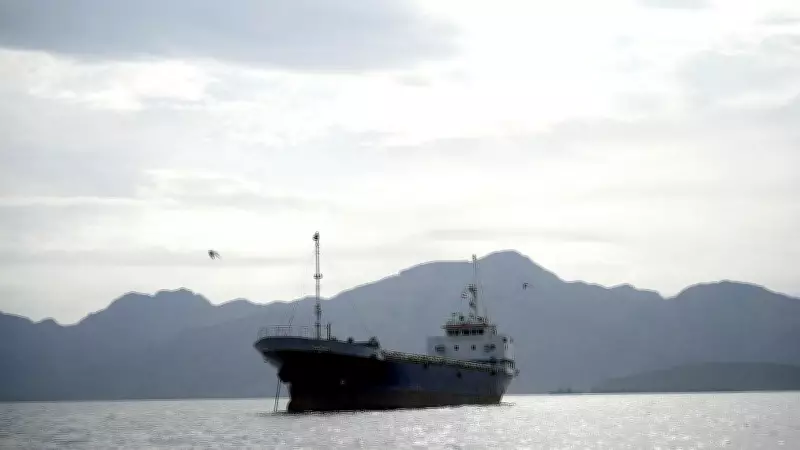
Global Fossil Fuel Consumption Sees Notable Drop in March 2024
In a significant development for the global energy landscape, worldwide fossil fuel consumption experienced a decline during the month of March 2024. This reduction is directly attributed to supply chain disruptions caused by a blockade in the strategically vital Strait of Hormuz, a critical maritime chokepoint for oil and gas shipments from the Middle East.
Impact of the Hormuz Strait Blockade on Energy Markets
The blockade, which involved the temporary closure or severe restriction of navigation through the Strait of Hormuz, led to immediate and tangible effects on global energy supplies. As one of the world's most important oil transit routes, handling approximately one-fifth of global oil consumption, any disruption in this area sends shockwaves through international markets. The March incident resulted in delayed and reduced shipments of crude oil and liquefied natural gas (LNG), forcing many countries to draw upon existing reserves and seek alternative, often more expensive, supply routes.
Key factors contributing to the consumption drop include:

- Supply Shortages: The blockade directly limited the availability of fossil fuels, particularly from major exporters like Saudi Arabia, the United Arab Emirates, and Iran.
- Price Volatility: Anticipated supply constraints led to increased price volatility, prompting some industries and consumers to reduce usage or switch to other energy sources temporarily.
- Logistical Challenges: Rerouting shipments around the Cape of Good Hope or through other passages increased transit times and costs, further straining supply chains.
Regional and Global Repercussions
The decline in fossil fuel consumption was most pronounced in regions heavily reliant on imports via the Strait of Hormuz, including parts of Asia and Europe. Countries such as India, China, Japan, and several European nations reported lower-than-usual consumption figures for oil and gas in March. This event has underscored the vulnerabilities in global energy security and the dependence on key maritime routes for fossil fuel transportation.
Analysts note that while the blockade was a primary driver, other factors may have contributed to the consumption trend, including seasonal demand variations and ongoing shifts toward renewable energy in some markets. However, the Hormuz disruption served as a stark reminder of how geopolitical tensions in the Middle East can swiftly impact global energy dynamics.
Looking Ahead: Implications for Energy Policy
This incident is likely to accelerate discussions around energy diversification and the development of more resilient supply chains. Governments and corporations may increase investments in alternative energy sources, such as renewables, and explore strategic petroleum reserves to buffer against future disruptions. The March consumption drop highlights the urgent need for enhanced international cooperation to ensure stable energy flows and mitigate risks associated with geopolitical conflicts in critical regions.
In summary, the global fossil fuel consumption decline in March 2024, driven by the Hormuz Strait blockade, reflects the interconnected nature of energy markets and the significant influence of Middle Eastern geopolitics on worldwide economic stability. As the world navigates these challenges, the event serves as a catalyst for reevaluating energy strategies and fostering greater resilience in the face of potential future crises.






