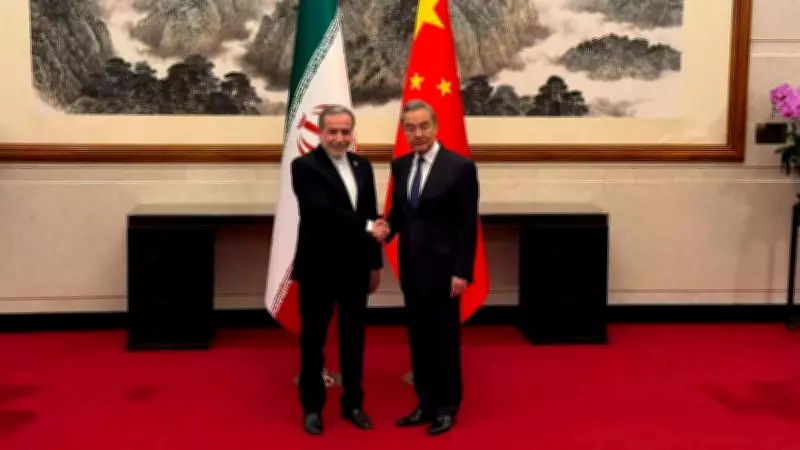
China and Iran have recently engaged in high-level discussions regarding the opening of the Strait of Hormuz, a critical maritime chokepoint for global energy supplies. The talks, which took place in Beijing, focused on ensuring the security and stability of the waterway, through which approximately 20% of the world's oil passes. Both nations emphasized the importance of free navigation and the need to prevent any disruptions that could impact the global economy.
Strategic Importance of the Strait of Hormuz
The Strait of Hormuz, located between the Persian Gulf and the Gulf of Oman, is a vital conduit for oil and liquefied natural gas shipments from the Middle East. Any closure or instability in the strait could lead to significant spikes in energy prices and threaten global economic stability. China, as the world's largest importer of crude oil, has a vested interest in maintaining the security of this route. Iran, which borders the strait, has historically used it as leverage in geopolitical negotiations.
Details of the Talks
During the meetings, Chinese and Iranian officials discussed cooperative measures to safeguard maritime security, including joint naval exercises and intelligence sharing. They also explored economic collaborations, such as developing alternative routes and infrastructure projects to reduce dependency on the strait. The talks are seen as part of broader efforts to strengthen bilateral ties between the two countries, which have deepened in recent years through trade and investment agreements.

Iranian Foreign Minister Hossein Amir-Abdollahian stated that the discussions were "constructive and forward-looking," while Chinese Foreign Minister Wang Yi highlighted the need for "multilateral cooperation to ensure peace and stability in the region." The two sides agreed to continue dialogue and establish a working group to address specific issues related to the strait.
Implications for Global Energy Markets
The outcome of these talks could have far-reaching implications for global energy markets. Analysts suggest that any agreement to ensure the strait's security would reduce the risk premium on oil prices. However, the involvement of other stakeholders, such as the United States and Gulf Arab states, could complicate the situation. The United States has historically maintained a naval presence in the region to guarantee freedom of navigation, and any new arrangement between China and Iran might be viewed with suspicion by Washington.
Broader Geopolitical Context
The discussions also reflect the shifting dynamics in the Middle East, where China is increasingly playing a more active role. Beijing's growing economic interests in the region have prompted it to engage in diplomatic efforts that were once dominated by Western powers. For Iran, closer ties with China provide a counterbalance to U.S. sanctions and isolation. The talks on the Strait of Hormuz are thus part of a larger strategic partnership that encompasses energy, trade, and security.
In conclusion, the China-Iran talks on the opening of the Strait of Hormuz represent a significant development in regional geopolitics. While the immediate goal is to enhance maritime security, the discussions could pave the way for broader cooperation between the two nations. The international community will be watching closely to see how these efforts unfold and what impact they will have on global energy security.