

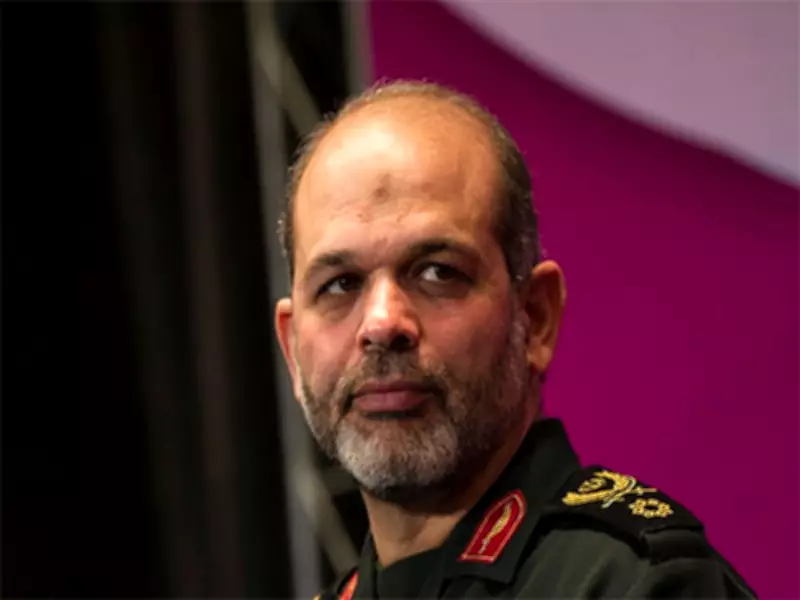
Ahmad Vahidi Takes Command of Iran's Islamic Revolutionary Guard Corps
In a major military leadership shift, Iran has appointed Ahmad Vahidi as the new commander of the Islamic Revolutionary Guard Corps (IRGC). This appointment represents a pivotal moment for one of the most influential military organizations in the Middle East, with Vahidi stepping into a role that oversees Iran's elite security and paramilitary forces.
Background and Significance of the Appointment
Ahmad Vahidi, a seasoned military figure with extensive experience in Iran's defense establishment, assumes command amid ongoing regional tensions and internal security challenges. The IRGC, founded after the 1979 Islamic Revolution, plays a crucial role in Iran's domestic politics and foreign policy, including its involvement in conflicts across the region. Vahidi's leadership is expected to shape the corps' strategic direction, particularly in areas such as missile development, cyber operations, and support for proxy groups.
This change comes as Iran navigates complex international relations, including nuclear negotiations and economic sanctions. Vahidi's appointment could signal a hardening or recalibration of Iran's military posture, depending on his past affiliations and policy leanings. Analysts are closely watching for any shifts in the IRGC's operations, which have been central to Iran's power projection in countries like Syria, Iraq, and Yemen.

Implications for Regional and Global Dynamics
The appointment of Ahmad Vahidi as IRGC commander is likely to have far-reaching implications beyond Iran's borders. The IRGC is not only a military force but also a key player in Iran's economy and political landscape, with ties to various industries and security agencies. Vahidi's leadership may influence:
- Regional Security: Potential changes in Iran's support for allied militias and its stance on conflicts in the Middle East.
- International Relations: Impact on diplomatic efforts, such as nuclear talks with world powers, given the IRGC's role in Iran's defense strategy.
- Domestic Politics: Strengthening or realigning the IRGC's influence within Iran's power structures, affecting governance and policy decisions.
Observers note that Vahidi's background, including any previous roles in Iran's defense ministry or intelligence services, will be critical in assessing his approach. The IRGC has been designated as a terrorist organization by some countries, adding a layer of complexity to Vahidi's tenure and its global reception.
Looking Ahead: Challenges and Opportunities
As Ahmad Vahidi assumes command, he faces a range of challenges, from managing internal cohesion within the IRGC to addressing external pressures. Key areas to monitor include:
- Military Modernization: How Vahidi will oversee the IRGC's technological advancements and military capabilities.
- Economic Sanctions: Navigating the impact of international sanctions on IRGC-linked entities and Iran's broader economy.
- Regional Alliances: Potential shifts in Iran's partnerships and rivalries in the volatile Middle East environment.
This appointment underscores Iran's ongoing efforts to bolster its military leadership amid a dynamic geopolitical landscape. With Ahmad Vahidi at the helm, the Islamic Revolutionary Guard Corps is poised for a new chapter that could reshape security dynamics in the region and beyond.






